


'%20x='0'%20y='0'%20height='100%25'%20width='100%25'%20%0A%20%20%20%20%20%20%20%20%20%20xlink%3Ahref='data:image/jpg;base64,/9j/2wBDAAYGBgYHBgcICAcKCwoLCg8ODAwODxYQERAREBYiFRkVFRkVIh4kHhweJB42KiYmKjY+NDI0PkxERExfWl98fKf/2wBDAQYGBgYHBgcICAcKCwoLCg8ODAwODxYQERAREBYiFRkVFRkVIh4kHhweJB42KiYmKjY+NDI0PkxERExfWl98fKf/wgARCAAGAAoDASIAAhEBAxEB/8QAFgABAQEAAAAAAAAAAAAAAAAAAAMG/8QAFAEBAAAAAAAAAAAAAAAAAAAABv/aAAwDAQACEAMQAAAApmAgi//EAB8QAAICAgEFAAAAAAAAAAAAAAIDAQQABUEGERIiYf/aAAgBAQABPwCh1brUspLGgUIFPi5cCMe/Ehlra6krTyjWB2lhcfc//8QAGhEAAgIDAAAAAAAAAAAAAAAAAhEAAQMSIf/aAAgBAgEBPwDURrGuMJ//xAAaEQABBQEAAAAAAAAAAAAAAAABAAMFFHLC/9oACAEDAQE/AIoC09jsr//Z'%3E%3C/image%3E%3C/svg%3E)

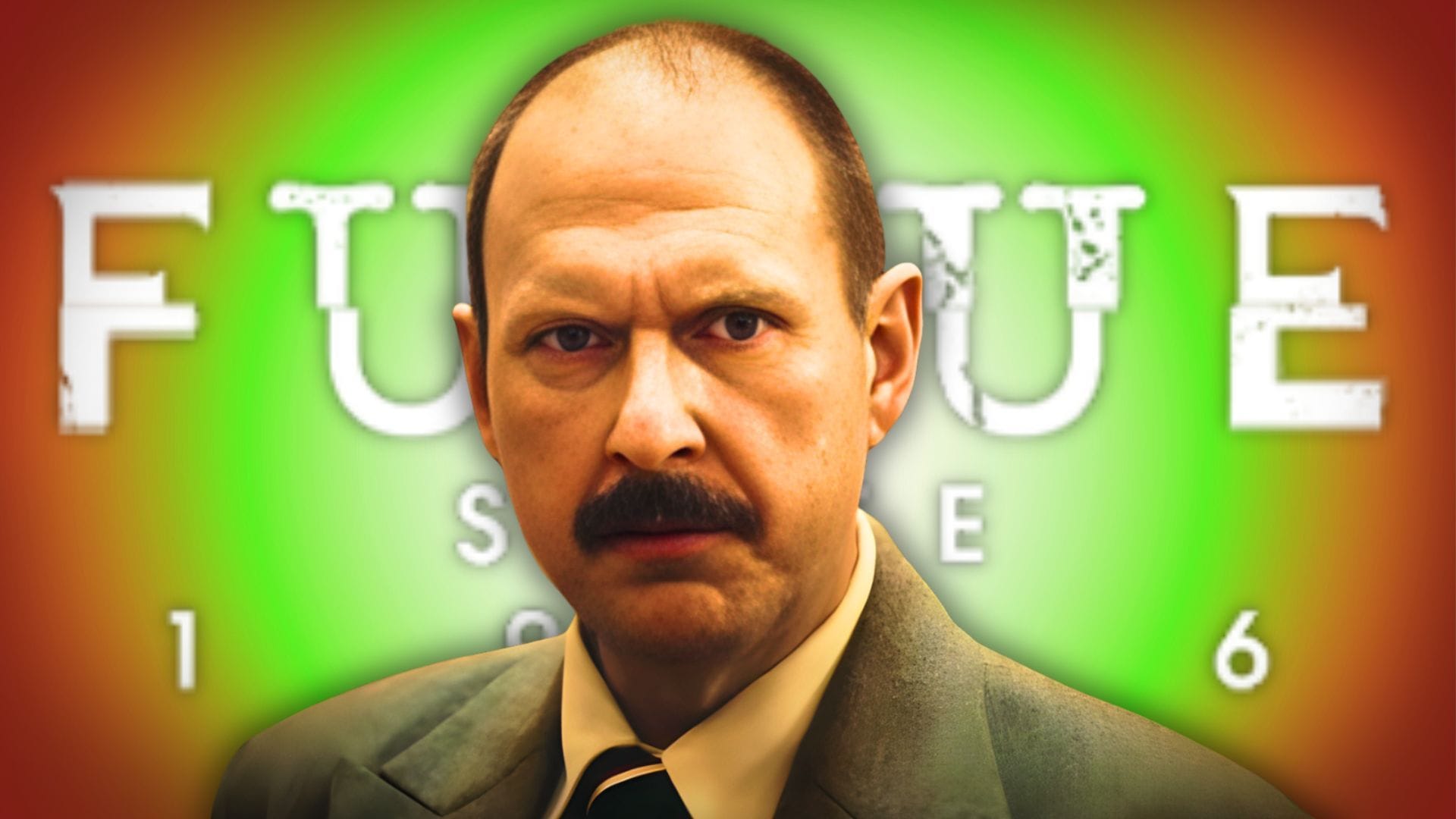
Fugue State 1986 ends by confirming that Jeremías Salgado is a fictionalized version of Campo Elías Delgado, the perpetrator of the 1986 Pozzetto massacre in Bogotá. The finale depicts Jeremías’ mental deterioration leading to the shooting and shows León confronting gaps in his memory as he learns the truth about his mentor.
Jeremías is a war veteran and English teacher in the show. His past is similar to Delgado's in that he experienced trauma as a child, had a difficult relationship with his mother, and had a disputed military service. His fall is marked by loneliness, paranoia, and a growing interest in reading and talking about philosophy with León. These events build up to the attack on the restaurant, which is shown through León's jumbled memories.
 Trending
By linking Jeremías to Delgado, Fugue State 1986 offers a dramatized account of the historical event through the lens of the character’s psychological descent.
How does Fugue State 1986 portray the Pozzetto Massacre?
Fugue State 1986 uses dramatization to reconstruct the events leading to the Pozzetto massacre. Instead of restaging the crime exactly as recorded, the series takes a narrative approach that blends fact and fiction. It follows Jeremías throughout the crucial hours before the shooting, capturing the behavior that reflects Delgado’s actions on December 4, 1986.
The real Delgado killed 29 people in three places: an apartment building, a nearby house, and the Pozzetto restaurant. He then died at the scene of the crime. This is how the series goes, but the names, locations, and information about the victims are changed to fit the story. Pozzetto changes his name to San Marzino, and many of the meetings are made up.
The ending shows the killing from León's point of view, focusing on how confused and forgetful he is. People are wondering if he was just a bystander or if he had some kind of indirect link to Jeremías' last moves during those hours. The series doesn't clear up these questions; instead, it shows how little we know about what really happened.
How does Fugue State 1986 reimagine Delgado’s life and motive?
One of the main points of Fugue State 1986 is to look into what could make someone do something violent on a large scale. The show is mostly about things like pain that hasn't been dealt with, being emotionally alone, identity issues, and the effects of having a mentor.
The real Campo Elías Delgado left behind mixed reports, disputed military details, and no clear reason for why he did what he did. The series fills in these gaps by developing the characters. The quiet life of Jeremías hides a lot of inner turmoil. His connection with León shows how much he loves books, metaphors, and philosophical questions about society and morality.
He becomes angry and loses his identity as events unfold. The show shows Delgado's early instabilities, such as family issues and unsolved pain, but they build up to the catastrophic finale. The series also alters our view of Delgado's inconsistencies. Jeremías' psychological profile includes a contentious claim about serving in Vietnam, highlighting the challenge of distinguishing between self-perception and reality.
For the same reason, his interest in stories affects how he thinks about violence, justice, and personal growth. By reimagining these parts, Fugue State 1986 looks at how a tragedy can happen when personal pain, social isolation, and deep-seated despair all come together. These are themes that run through Jeremías' last moments.
What happened in Fugue State 1986?
The ending of Fugue State 1986 proves Jeremías' link to Campo Elías Delgado but leaves some parts of the story open. When León finds out that Jeremías was the one who attacked, it changes how he feels about their connection and makes him more aware of the things he doesn't remember.
His lost memory shows how much the show is about doubt and missing knowledge. The last things Jeremías did were similar to what Delgado did before the event in 1986, showing that he was planning to attack. Instead of a clear answer, the series ends with what happened and how it affected people.
Overall, the ending combines parts of real events with a dramatic version, giving a fictional account that is based on a true story.
Fugue State 1986 is available for online streaming on Netflix.


