


'%20x='0'%20y='0'%20height='100%25'%20width='100%25'%20%0A%20%20%20%20%20%20%20%20%20%20xlink%3Ahref='data:image/jpg;base64,/9j/2wBDAAYEBQYFBAYGBQYHBwYIChAKCgkJChQODwwQFxQYGBcUFhYaHSUfGhsjHBYWICwgIyYnKSopGR8tMC0oMCUoKSj/2wBDAQcHBwoIChMKChMoGhYaKCgoKCgoKCgoKCgoKCgoKCgoKCgoKCgoKCgoKCgoKCgoKCgoKCgoKCgoKCgoKCgoKCj/wgARCAAGAAoDASIAAhEBAxEB/8QAFgABAQEAAAAAAAAAAAAAAAAAAAIG/8QAFAEBAAAAAAAAAAAAAAAAAAAAA//aAAwDAQACEAMQAAAArDBL/8QAIhAAAgEDAgcAAAAAAAAAAAAAAgMBAAQFBkEREhMVIVFh/9oACAEBAAE/AL7UWDyp2SVY5yELHqEIwMedt/tN12tLTV24C5JkePuv/8QAGBEAAgMAAAAAAAAAAAAAAAAAAREAAgT/2gAIAQIBAT8AzB0Zn//EABcRAAMBAAAAAAAAAAAAAAAAAAADEjL/2gAIAQMBAT8AbuT/2Q=='%3E%3C/image%3E%3C/svg%3E)

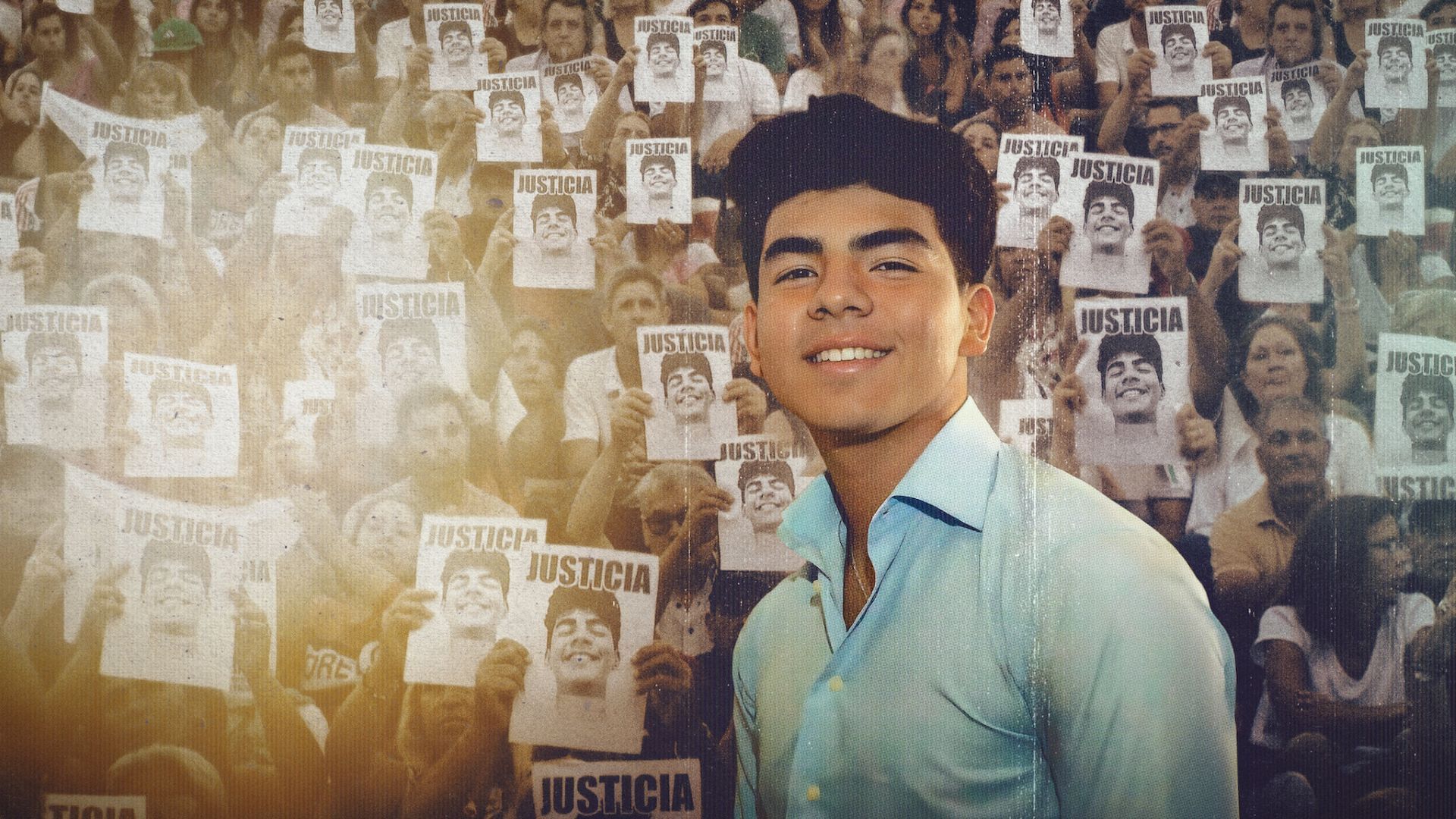
50 seconds: The Fernando Báez Sosa case on Netflix sheds light on Argentine law student Fernando Báez Sosa, who was beaten to death in January 2020. It follows the story from the first blows outside a nightclub to the court rulings.
Told through interviews, archive video, and court material, the three-part documentary includes a step-by-step account of how an 18-year-old on holiday with friends lost his life after a late-night fight in Villa Gesell.
The case drew national attention in Argentina after phone videos and security footage circulated online. The beating lasted under a minute, yet it changed many lives. The series outlines those 50 seconds and the months and years that follow.
 Trending
Background of 50 seconds: The Fernando Báez Sosa case
Netflix's 50 seconds: The Fernando Báez Sosa case explored the case of Fernando José Báez Sosa, who was born in Buenos Aires in 2001, the only child of Paraguayan immigrants Silvino Báez and Graciela Sosa. He studied law at the University of Buenos Aires and traveled with friends to the seaside town of Villa Gesell in mid-January 2020.
A group of eight young men from Zárate, most of whom were rugby players, were in the same area for their summer holidays.
After the tragedy, the public response grew fast, with marches and vigils across Argentina. The documentary juxtaposes this early reaction with the family’s grief and the initial steps of the investigation. Netflix’s brief for the show confirms the intimate focus and the blend of testimony with archive.
The murder in 50 seconds: The Fernando Báez Sosa case
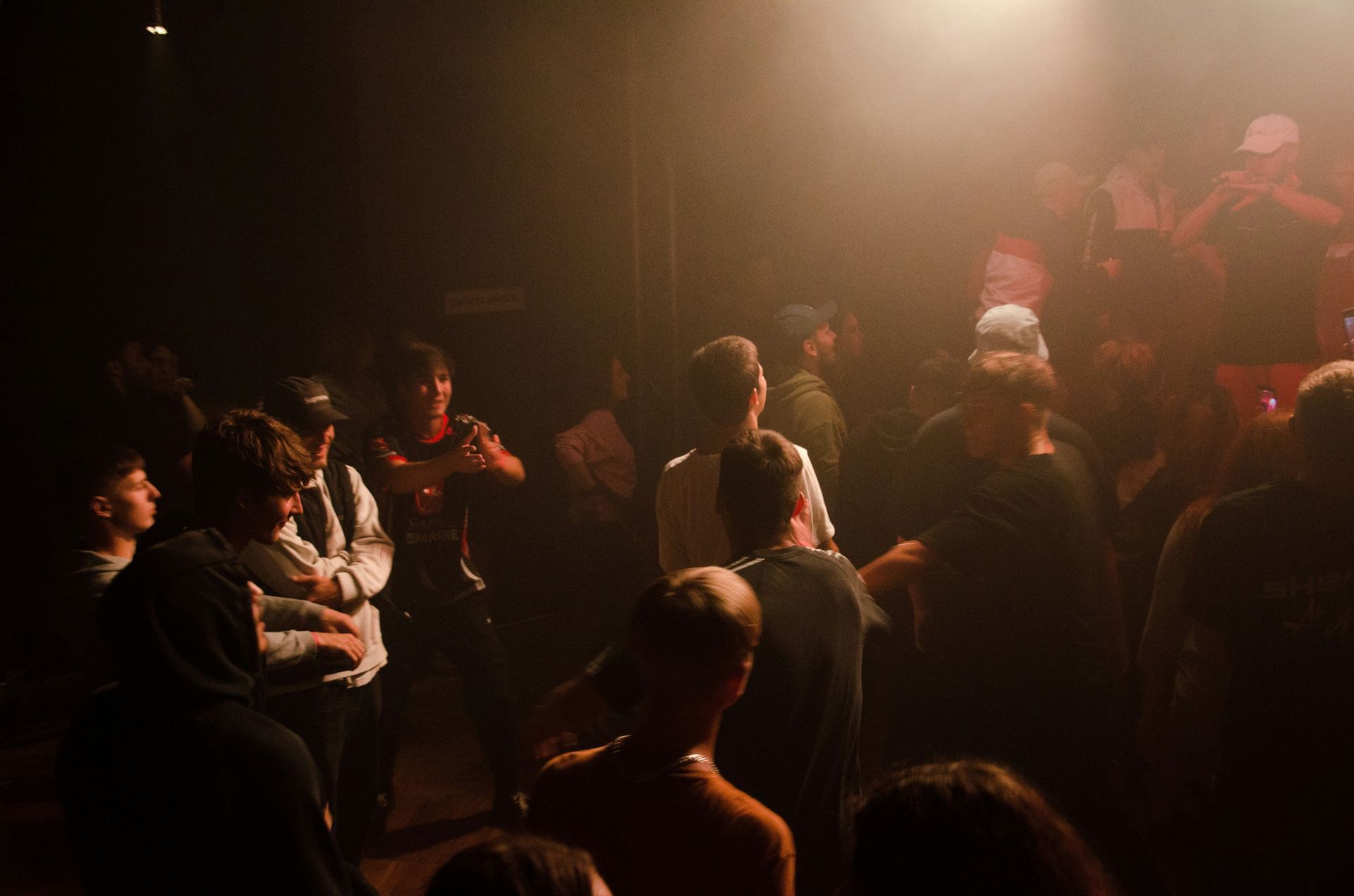
On January 18, 2020, after a dispute inside Le Brique nightclub, security staff removed one group while Fernando and his friends left separately. Outside, around 4:44 am local time, several members of the rugby group reportedly surrounded Fernando. Witnesses described kicks and punches that left him unconscious.
Some friends trying to help were pushed back. Parts of the assault were filmed. Racist slurs were allegedly heard during the attack, as later referenced in court.
The assailants then regrouped. Chats recovered by investigators, along with a short video clip, became central evidence in the case. Medical reports later stated that Fernando died from injuries linked to the beating. These items appear in the series as anchor points for the timeline.
Criminal procedure and trial in 50 seconds: The Fernando Báez Sosa case
Police detained the group later that morning. Phones, clothing, and camera footage formed the core of the evidence. The court in Dolores held a widely covered trial in January 2023.
Five men were found guilty of aggravated homicide and received life terms. Three others were found to have a secondary role and were sentenced to 15 years. According to Al Jazeera, the ruling followed four weeks of hearings with extensive witness testimony.
Defense teams argued against premeditation. Prosecutors stated that coordination was evident from the videos, the group's positioning, and the messages they exchanged. Family lawyers called for the maximum penalty for all defendants.
Courtroom scenes, including reactions to the verdict, appear in the series to document this stage in detail. According to Al Jazeera, remorseful statements were made, while the defense raised disputes over intent and the impact of media pressure.
Public response to 50 seconds: The Fernando Báez Sosa case and the crime
From January 2020 onward, Fernando’s death prompted marches, rallies, and memorials across Argentina and in Paraguay, where his parents were born.
The case also pushed the rugby community to respond. The Argentine Rugby Union released a short statement that many people found too vague, which in turn sparked criticism and apologies from prominent former players who said the sport needed to confront its relationship with violence.
50 seconds: The Fernando Báez Sosa case arrives after years of court hearings and public debate. By combining family testimony, material from inside the trial, and voices from both legal teams, the series sets the crime and the sentences in context while reminding viewers that behind the headlines was a young man on a simple summer trip who never made it home.


