


'%20x='0'%20y='0'%20height='100%25'%20width='100%25'%20%0A%20%20%20%20%20%20%20%20%20%20xlink%3Ahref='data:image/jpg;base64,/9j/2wBDAAYGBgYHBgcICAcKCwoLCg8ODAwODxYQERAREBYiFRkVFRkVIh4kHhweJB42KiYmKjY+NDI0PkxERExfWl98fKf/2wBDAQYGBgYHBgcICAcKCwoLCg8ODAwODxYQERAREBYiFRkVFRkVIh4kHhweJB42KiYmKjY+NDI0PkxERExfWl98fKf/wgARCAAHAAoDASIAAhEBAxEB/8QAFgABAQEAAAAAAAAAAAAAAAAAAAIH/8QAFQEBAQAAAAAAAAAAAAAAAAAAAgP/2gAMAwEAAhADEAAAAM3kF//EACEQAAECBQUBAAAAAAAAAAAAAAIBAwAEBRIiBhETIUEy/9oACAEBAAE/AKJqKVekqg3NsiQqzcilcRpkm6AXkBXNRWjxC3x7YfI4+dR//8QAGBEAAgMAAAAAAAAAAAAAAAAAAAEDE1L/2gAIAQIBAT8Apiwj/8QAGBEBAQADAAAAAAAAAAAAAAAAAQMAEjH/2gAIAQMBAT8AK0QNuZ//2Q=='%3E%3C/image%3E%3C/svg%3E)

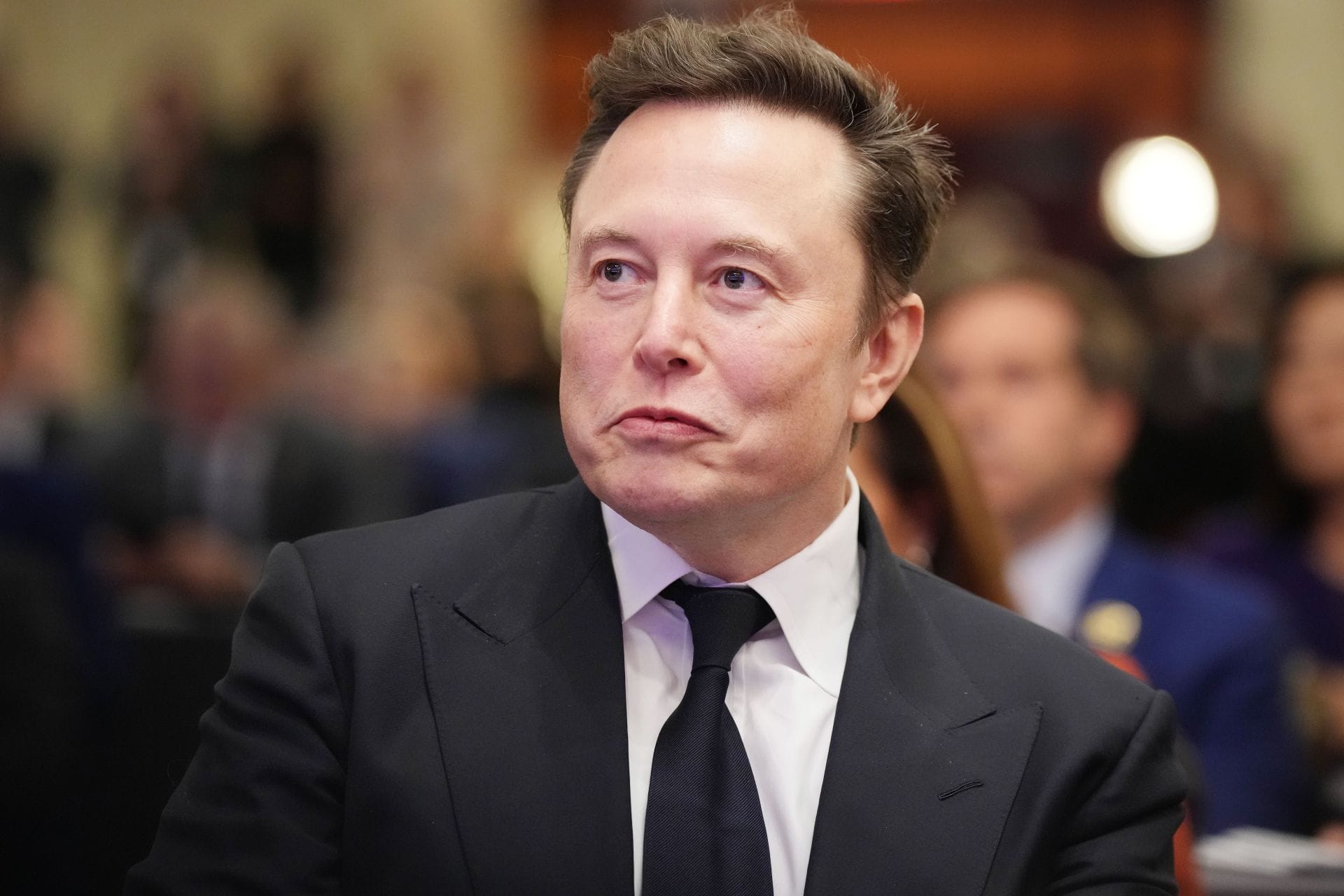
Elon Musk appeared on the December 10 episode of the Katie Miller Podcast, where he spoke openly about his spiritual outlook and the idea of a higher power. The conversation unfolded when host Katie Miller asked the tech billionaire whom he “looked up to the most.”
Musk responded by explaining that his sense of admiration was not directed toward any human figure but toward the force or origin behind existence itself, “the creator.”
Miller then asked Musk to elaborate on his “current position on God,” prompting him to clarify that, for him, the term “God” was synonymous with “the creator.”
When Miller pressed further, asking if he actually believed in God, Musk offered a reflective response. He explained that he believed the universe “came from something,” that everyone referred to with a “different” label.
 Trending
“Well, I believe this universe came for something. People have different labels,” Elon Musk said.
Elon Musk says DOGE was only “a little bit successful” during an interview with Katie Miller
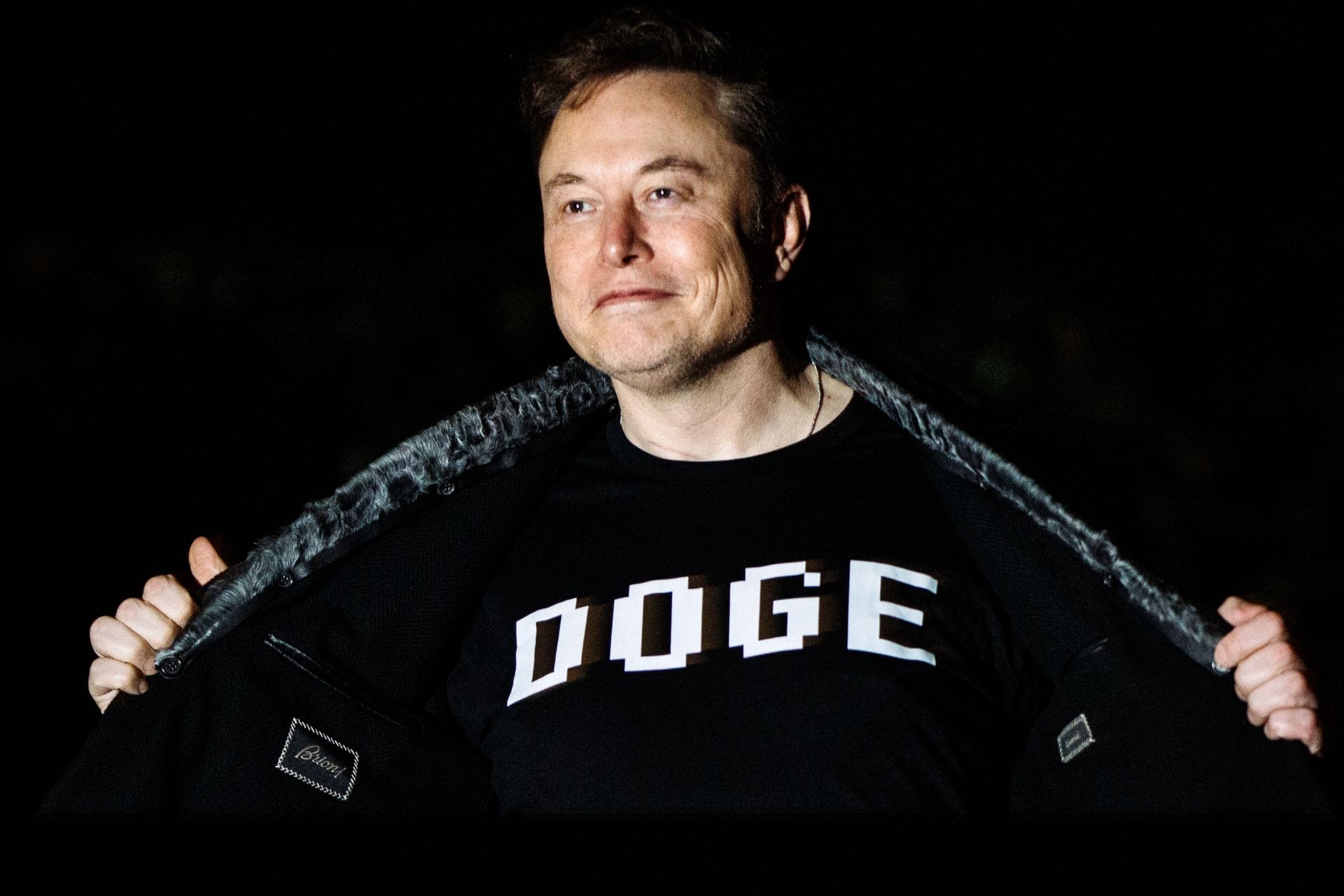
Elon Musk offered one of his most candid assessments yet of the Department of Government Efficiency, better known as DOGE, during his latest appearance on The Katie Miller Podcast.
Miller, who previously served as an advisor and spokesperson for DOGE before becoming an advisor to Musk, interviewed the SpaceX and Tesla CEO in a wide-ranging conversation about government waste, political backlash, and DOGE’s rapid rise and fall.
During this conversation, Musk explained that despite the department’s ambitious mission to save taxpayer money and slash inefficient spending, its overall impact was limited. He emphasized that DOGE managed to halt certain wasteful expenditures, but its victories were modest compared to its goals.
“We were a little a little bit successful. We were some somewhat successful. I mean, we stopped a lot of funding that really just made no sense. That was just entirely wasteful,” Elon Musk said.
Musk then offered a concrete example, explaining that the federal government had been sending out “probably $100, maybe $200 billion worth of zombie payments per year. These funds were released with no explanation or verification. He said DOGE introduced basic checks that prevented this money from being disbursed
Elon Musk also reflected on why eliminating waste was so difficult.
“It’s actually quite hard to stop. It's a pretty rare individual that would ask the government to stop sending them money,” he explained.
When Miller asked whether he would choose to start DOGE again if given another chance, Musk dismissed the idea, saying he wouldn’t restart the department.
When she rephrased the question, asking whether he would “do DOGE again” knowing what he knew now, Musk expanded on why he felt the decision had been costly.
He explained that DOGE made him a target of liberal activists, noting that instead of building his companies, he was busy running a government agency while critics “burned the cars” in protest.
He suggested that the backlash stemmed directly from DOGE’s efforts to curb corruption, saying that when someone tries to “stop money going to political corruption,” those who benefit from it “lash out, big time” because they “really want the money to keep flowing.”
Elon Musk also told Miller that he never felt let down by Washington, explaining that he had never been “super illusioned” about government to begin with.
“You really want the least amount done by government possible,” he said
Once an agency known for sweeping cuts and headline-making interventions across federal departments, DOGE has now effectively ceased to exist.
Elon Musk stepped away from his role leading the Department of Government Efficiency (DOGE) in the Trump White House in late May 2025. Known primarily for his work as a businessman and entrepreneur, Musk continues to helm major companies including Tesla, SpaceX, X, and xAI.


