


'%20x='0'%20y='0'%20height='100%25'%20width='100%25'%20%0A%20%20%20%20%20%20%20%20%20%20xlink%3Ahref='data:image/jpg;base64,/9j/2wBDAAYEBQYFBAYGBQYHBwYIChAKCgkJChQODwwQFxQYGBcUFhYaHSUfGhsjHBYWICwgIyYnKSopGR8tMC0oMCUoKSj/2wBDAQcHBwoIChMKChMoGhYaKCgoKCgoKCgoKCgoKCgoKCgoKCgoKCgoKCgoKCgoKCgoKCgoKCgoKCgoKCgoKCgoKCj/wgARCAAGAAoDASIAAhEBAxEB/8QAFgABAQEAAAAAAAAAAAAAAAAAAAUH/8QAFAEBAAAAAAAAAAAAAAAAAAAAA//aAAwDAQACEAMQAAAAxuCKX//EAB8QAAIBBAIDAAAAAAAAAAAAAAECAwAEBRESISJR0f/aAAgBAQABPwDH3tvFjpYp7VJCR0wVdjtPYpzydiscYBOx4j5X/8QAFBEBAAAAAAAAAAAAAAAAAAAAAP/aAAgBAgEBPwB//8QAFREBAQAAAAAAAAAAAAAAAAAAAAH/2gAIAQMBAT8Aj//Z'%3E%3C/image%3E%3C/svg%3E)

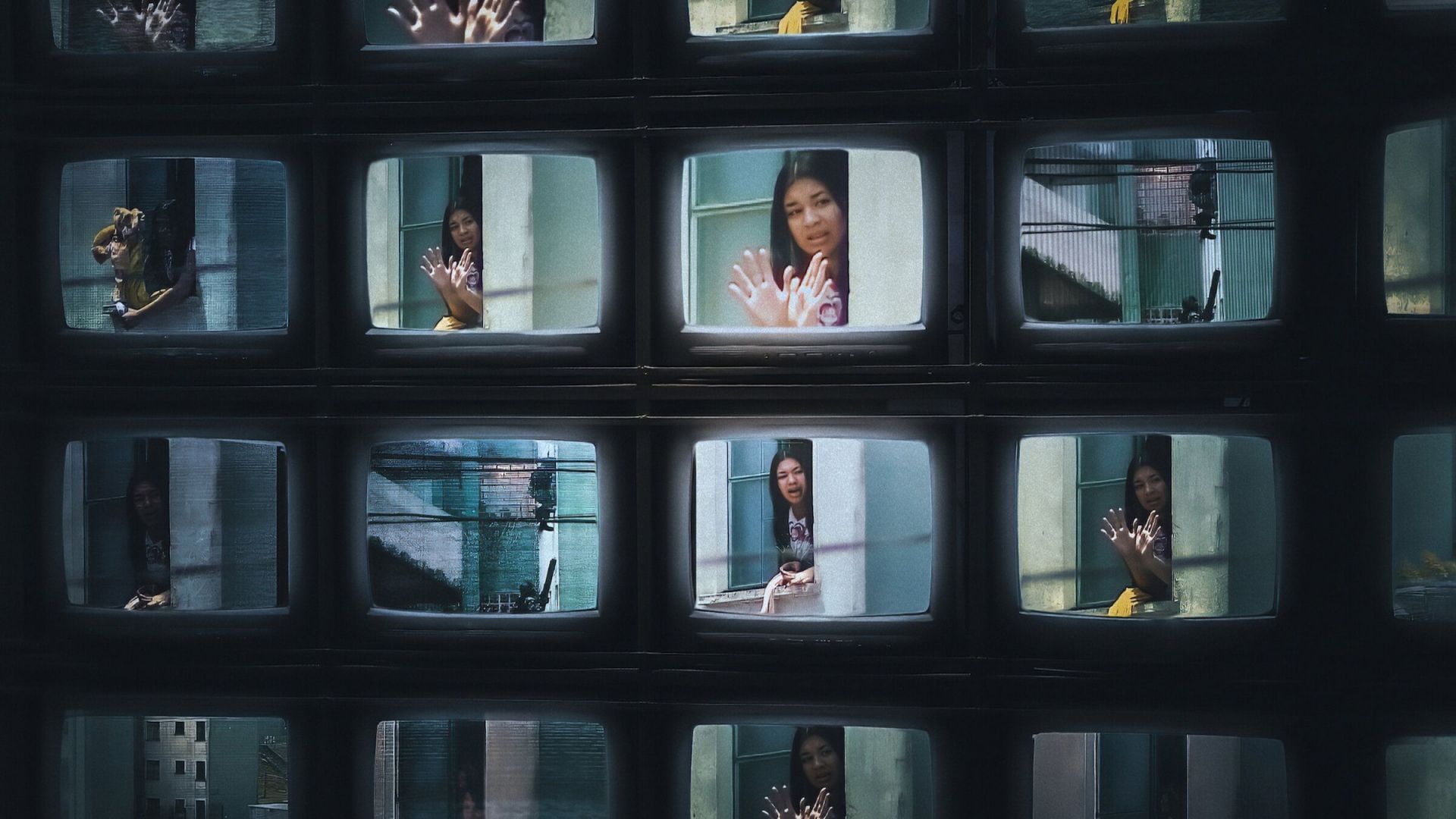
Eloá the Hostage: Live on TV revisits a case that Brazil watched live on television in October 2008. The kidnapping of 15-year-old Eloá Cristina Pimentel by her 22-year-old ex-boyfriend, Lindemberg Alves, unfolded over 100 hours and ended in tragedy. Cameras, police radio chatter, and crowds outside the building turned a private apartment into a public stage.
The documentary arrives with fresh material and on-the-record voices from people who were close to Eloá. It also returns to decisions made in real time by police and broadcasters, choices that drew national debate and still raise questions today.
Case overview behind Eloá the Hostage: Live on TV
In October 2008, police said Eloá’s 22-year-old ex-boyfriend, Lindemberg Alves, entered her apartment with a handgun and held Eloá and her friend, Nayara. Two other classmates who were present were released earlier.
 Trending

On the fourth day, officers moved in after shots were heard. Eloá was hit and later declared brain dead; Nayara was wounded but survived. Alves was detained at the scene and accused of firing the shots. According to Reuters, doctors confirmed Eloá’s brain death soon after the raid, and police placed Alves in custody for the attack.
Court records later led to a conviction and a long sentence, within the limits set by Brazilian law. The legal outcome is not the center of the film, yet it anchors the timeline. It also frames how investigators and the public pieced together what happened inside that small apartment.
Media and police debates in Eloá the Hostage: Live on TV
The case became a running broadcast. News crews set up outside the building, and anchors cut in with constant updates. Some presenters reportedly reached the kidnapper by phone on air, a move that drew criticism from security specialists and media observers.

According to Global Voices, one talk show connected to the same line used by negotiators and even asked Eloá personal questions during the standoff.
Police choices also drew scrutiny. Allowing Nayara to reenter the apartment was widely questioned, and tactical timing was labeled a mistake by some commentators. These points appear in prior reporting and are presented as part of the public record, with the understanding that officers on scene faced shifting risks and limited space to act.
Also read: Eloá the Hostage: Live on TV release date, where to watch, and everything we know so far
What Eloá the Hostage: Live on TV shows
The new documentary brings forward previously unreleased excerpts from Eloá’s diary, plus on-camera testimonies by her brother Douglas and her friend Grazieli Oliveira, who speak publicly about the crime for the first time.
It also includes interviews with journalists and officers who followed the case and staged reconstructions to clarify key beats. According to About Netflix, these elements aim to present what was seen on TV and what families and investigators documented off-camera.
The film’s approach stays close to the source material. Public footage, official records, and first-person accounts guide the storytelling. Allegedly sensational elements from past coverage are addressed by the people who lived through the week, offering context without speculation.
Release, crew, and production of Eloá the Hostage: Live on TV
Eloá the Hostage: Live on TV premieres on Netflix on November 12, 2025. The film is directed by Cris Ghattas, with a screenplay by Tainá Muhringer and Ricky Hiraoka, and production by Paris Entretenimento.
Key producers include Marcio Fraccaroli, Andre Fraccaroli, and Veronica Stumpf; executive producers are Laura Boorhem, Carol Amorim, and Fabi Vanelli. The project also credits director of photography Henrique Vale, editor Jordana Berg, and composer Amabis.
By pairing archival broadcasts with firsthand testimony, the film sets out to retell a story many thought they already knew, grounded in records and voices that reportedly remained off-screen until now.
Also read: Who is John Tanner? All about the key figure associated with the Aileen Wuornos case


