


'%20x='0'%20y='0'%20height='100%25'%20width='100%25'%20%0A%20%20%20%20%20%20%20%20%20%20xlink%3Ahref='data:image/jpg;base64,/9j/2wBDAAYGBgYHBgcICAcKCwoLCg8ODAwODxYQERAREBYiFRkVFRkVIh4kHhweJB42KiYmKjY+NDI0PkxERExfWl98fKf/2wBDAQYGBgYHBgcICAcKCwoLCg8ODAwODxYQERAREBYiFRkVFRkVIh4kHhweJB42KiYmKjY+NDI0PkxERExfWl98fKf/wgARCAAHAAoDASIAAhEBAxEB/8QAFgABAQEAAAAAAAAAAAAAAAAAAAUH/8QAFQEBAQAAAAAAAAAAAAAAAAAAAwX/2gAMAwEAAhADEAAAAMLkBXP/xAAdEAACAgIDAQAAAAAAAAAAAAABAgMEABEFExVR/9oACAEBAAE/AHk47za1WWps11nAmTSs8kxBUv8AQus6Is//xAAaEQABBQEAAAAAAAAAAAAAAAABAAIEESES/9oACAECAQE/AJA5cKzF/8QAGREAAwADAAAAAAAAAAAAAAAAAQIDAAUi/9oACAEDAQE/ANQFpKhdQ3Wf/9k='%3E%3C/image%3E%3C/svg%3E)

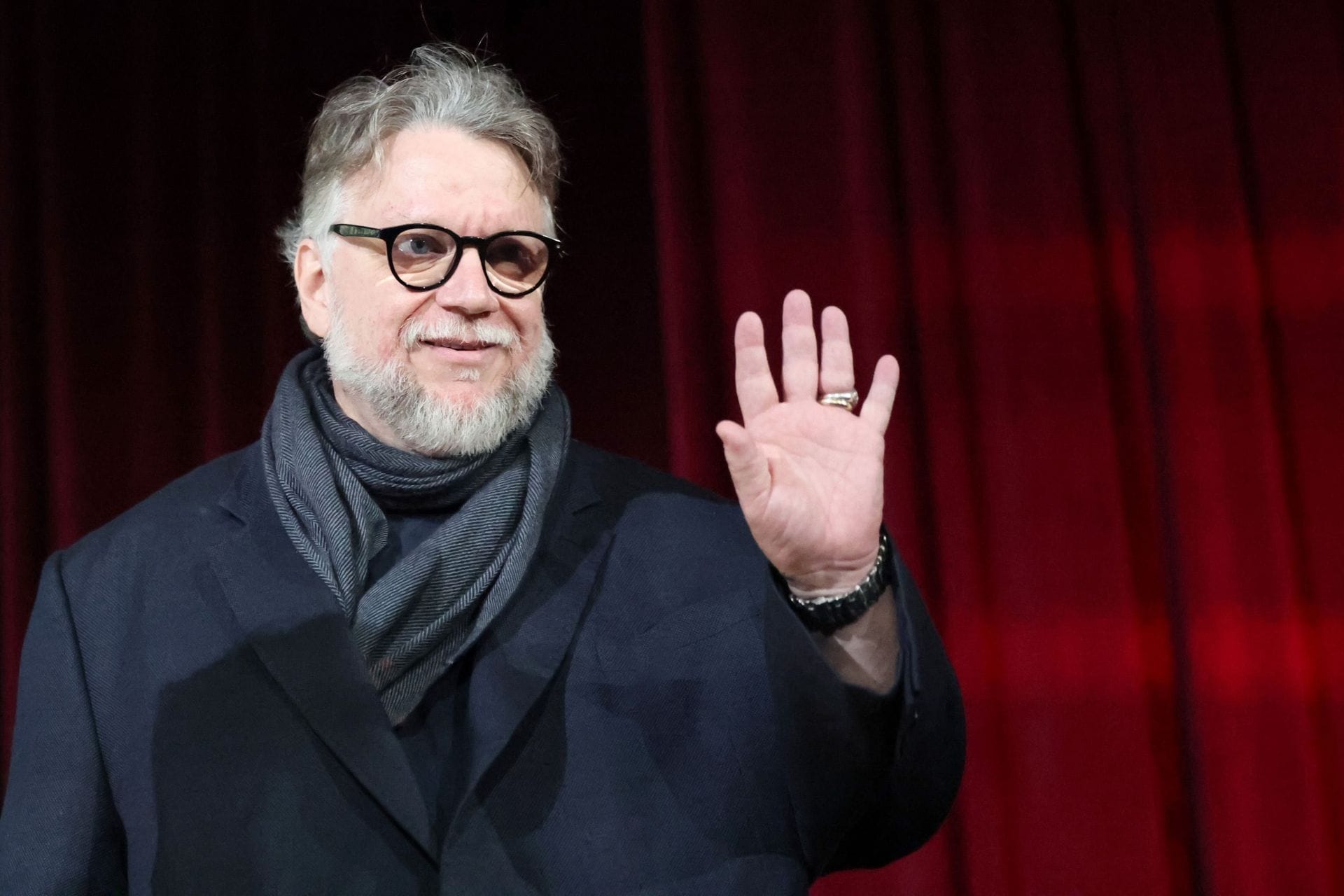
In a recent interview with The Hollywood Reporter, Guillermo del Toro recently gave a powerful statement in the wake of the highly controversial and monumental $82.7 billion deal that saw Netflix acquire the film studio and streaming assets of Warner Bros. Discovery (WBD) on December 5, 2025. The Frankenstein director stated:
“Make no mistake: fairy tales [and] horror stories are parables. They speak of things we cannot name. That’s their power. They speak of things the way a song speaks when the music and the lyrics make no sense. That’s the power of cinema. And I think the beauty of seeing it here is you have a big screen showing big ideas. For people that see them on their phone… it takes 38,000 of those little things to form a screen.”
 Trending
Guillermo del Toro's most recent film, Frankenstein, featuring Oscar Isaac in the title role and Jacob Elordi as the Creature, hit the theatres for a limited run on October 17, 2025, before its Netflix global debut on November 7.
Guillermo del Toro’s fierce defense: Why Netflix can't substitute the cinema experience

Guillermo del Toro stressed that while home viewing is convenient, it cannot replicate the true power of cinema. Speaking to THR, Blade II director further commented:
“There’s no substitute. I’m very happy that you’re here. Of course, you can see it at home, and the food will be perhaps better, [but] you will have this experience collectively, all of you.”
His comments arrived just days after the announcement of the monumental deal for Netflix to acquire the film studio and streaming assets of Warner Bros. Discovery (WBD), including the legendary Warner Bros. studio, HBO, and the DC Universe. This deal has created a significant buzz, or rather, a major industry panic, as it fundamentally reshapes Hollywood.
The central fear driving the controversy is that Netflix, whose business model prioritizes streaming and shorter theatrical windows (or none at all), will dismantle the exhibition system built around the traditional, exclusive cinema release.
Industry groups, including the largest theater-owner associations, have strongly criticized the acquisition, warning that it poses an "unprecedented threat" that will cause theaters to close, eliminate jobs, and concentrate too much power over content and distribution in the hands of one company.
In a celebratory statement immediately following the news, Netflix co-CEO Ted Sarandos said:
“Our mission has always been to entertain the world. By combining Warner Bros.’ incredible library of shows and movies—from timeless classics like Casablanca and Citizen Kane to modern favorites like Harry Potter and Friends—with our culture-defining titles like Stranger Things, KPop Demon Hunters and Squid Game, we'll be able to do that even better. Together, we can give audiences more of what they love and help define the next century of storytelling.”
Stay tuned for more updates.


