


'%20x='0'%20y='0'%20height='100%25'%20width='100%25'%20%0A%20%20%20%20%20%20%20%20%20%20xlink%3Ahref='data:image/jpg;base64,/9j/2wBDAAYGBgYHBgcICAcKCwoLCg8ODAwODxYQERAREBYiFRkVFRkVIh4kHhweJB42KiYmKjY+NDI0PkxERExfWl98fKf/2wBDAQYGBgYHBgcICAcKCwoLCg8ODAwODxYQERAREBYiFRkVFRkVIh4kHhweJB42KiYmKjY+NDI0PkxERExfWl98fKf/wgARCAAGAAoDASIAAhEBAxEB/8QAFgABAQEAAAAAAAAAAAAAAAAAAAQF/8QAFQEBAQAAAAAAAAAAAAAAAAAAAgP/2gAMAwEAAhADEAAAAMqouP/EAB8QAAEEAgIDAAAAAAAAAAAAAAMBAgURAAQGEhMxMv/aAAgBAQABPwB4pjSiZLZJJPU4Hg6q35TyPq6r3gZLkiCGiShaRqVZH5//xAAYEQACAwAAAAAAAAAAAAAAAAAAATKBwf/aAAgBAgEBPwBRvEf/xAAWEQADAAAAAAAAAAAAAAAAAAAAARH/2gAIAQMBAT8ArP/Z'%3E%3C/image%3E%3C/svg%3E)

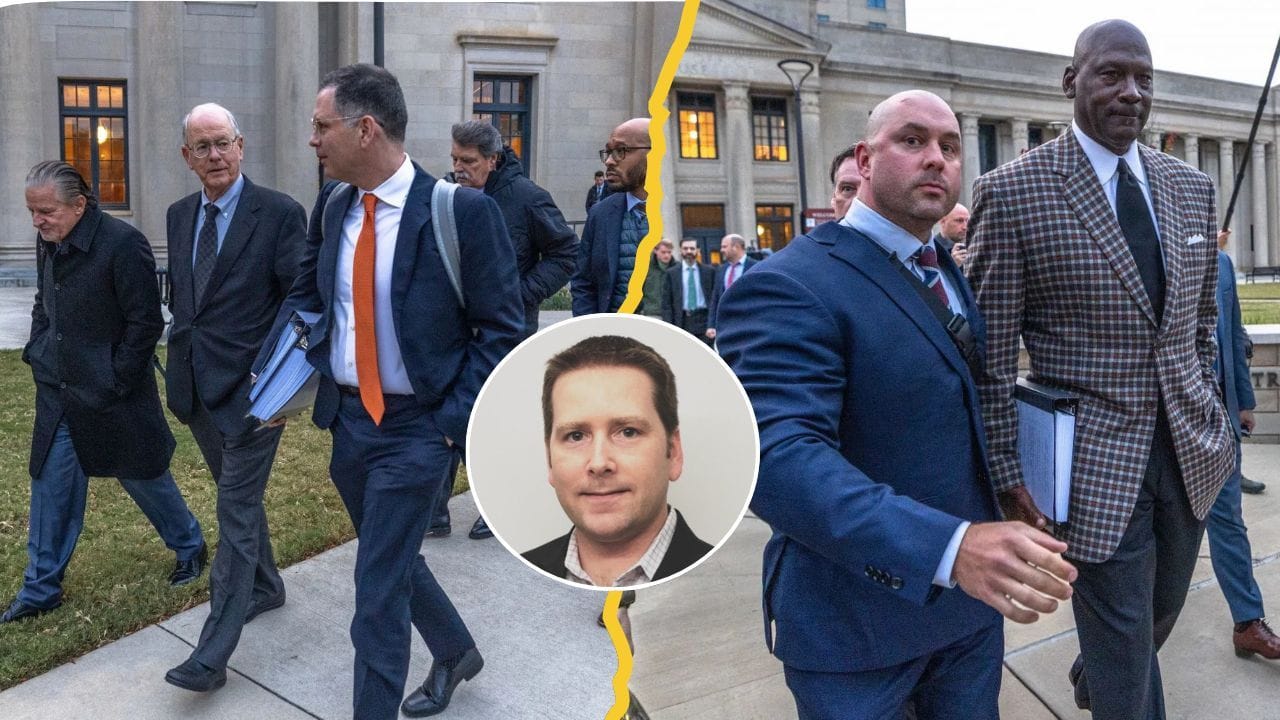
Scott Prime’s role, his decisions, and his salary have become part of the ongoing antitrust trial now in its fourth day. He was called to the stand on Day 2, and his appearance raised questions inside and outside the courtroom - who is Prime, and why was he important enough to be summoned this early?
The trial has centered on how NASCAR governs the sport, how it negotiates with teams, and whether its control over key commercial structures violates antitrust law. Day 2 began with the attorneys drilling into documents related to Prime, the man behind the modern charter system. As proceedings continued, it was revealed that his work is central to the case and why his testimony carries weight in determining how the sport operates for both sides.
Who is Scott Prime, NASCAR’s chief strategy officer, who was the first executive to testify in the trial
Scott Prime serves as NASCAR’s Chief Strategy Officer. The job involves long-range planning, stakeholder coordination, commercial structure, and major policy decisions that shape the Cup Series.
Prime has a long record in sports strategy and development, with most of his career spent shaping commercial structures in major leagues. His background includes an economics degree from Princeton and an MBA from Harvard Business School, which shaped his analytical profile. He joined NASCAR in 2015 after earlier stints at Mercer Management Consulting, the NBA, and McKinsey & Company, where he worked across the tech, media, and sports sectors.
By 2018, Prime became NASCAR’s Vice President of Strategy & Innovation. NASCAR Commissioner Steve Phelps has often credited him for driving the team owner charter framework and the early esports strategy. His work placed him at the core of every revision, negotiation, and update to the charter model since 2016. This led him to be the first executive to take the stand, as attorneys wanted to lay the foundation for how charters were built.
The importance of his early testimony was explained by Washington attorney and lifelong race fan Shannon McMinimee on The Teardown podcast:
“I think calling Scott Prime as early as they did was a bold move. I like it because it gets you the opportunity to tell the story of what charters are really early in the case, and before the attorneys hear a lot of other people testify and can help massage his answers for him in advance through practice. So, I think it was a bold move. I think that it also gets in a lot of the documents that we’re going to hear about later and so things will go faster with other witnesses.” (46:05 onwards)
Prime helped draft the original charter framework. The system, implemented in 2016, guaranteed 36 teams a place on the grid while distributing revenue through media deals. The model was built to stabilize sponsorships and encourage long-term investment. As years passed, he continued to refine the structure.
By 2025, negotiations over charter extensions grew tense. Teams wanted higher valuations ($20M each) and stronger guarantees. Those failed talks eventually led to the antitrust lawsuit. Scott Prime’s work was central to that dispute, which set the stage for his Day 2 testimony.
Plaintiffs grill Scott Prime about contingency plans for NASCAR Charter Agreement
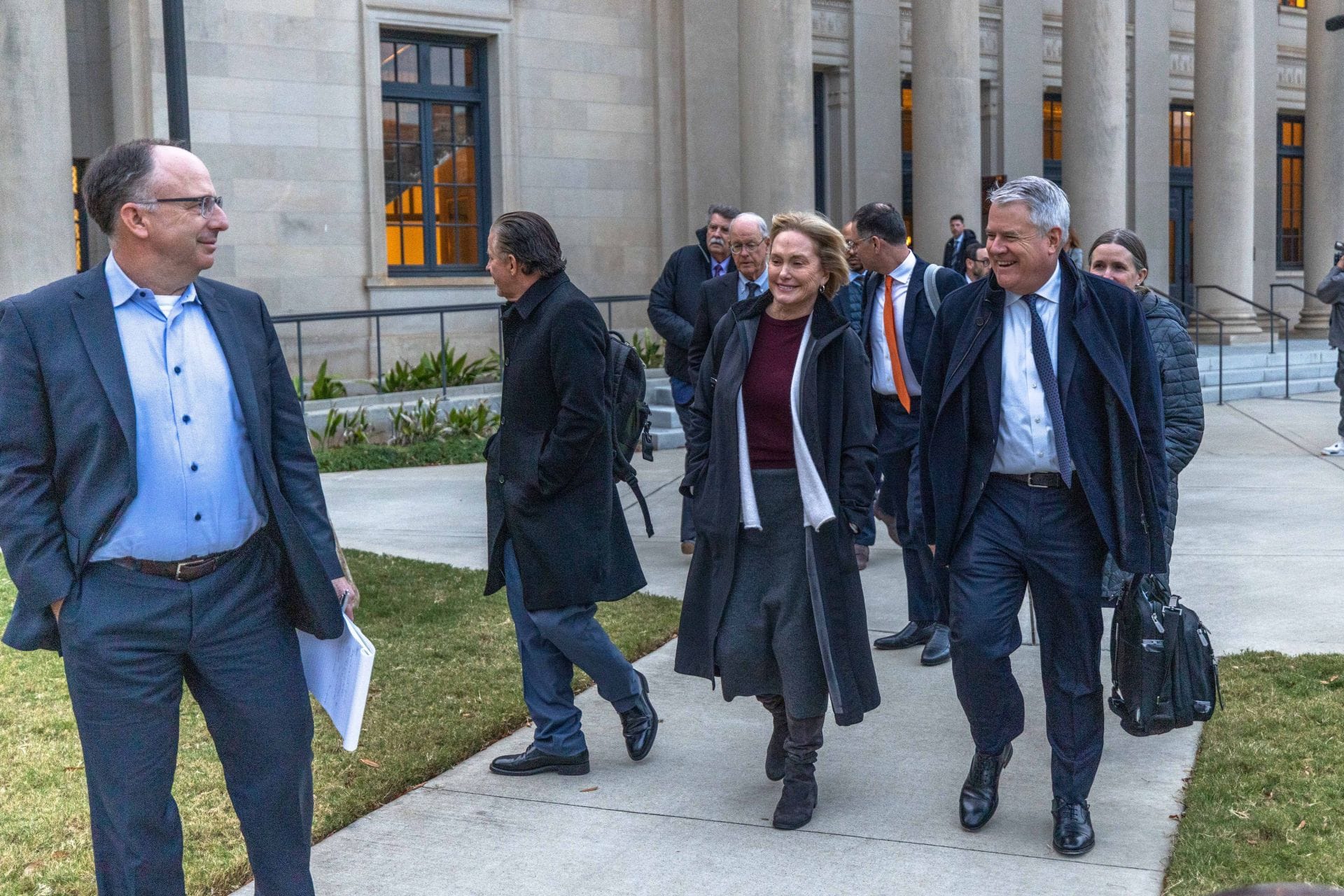
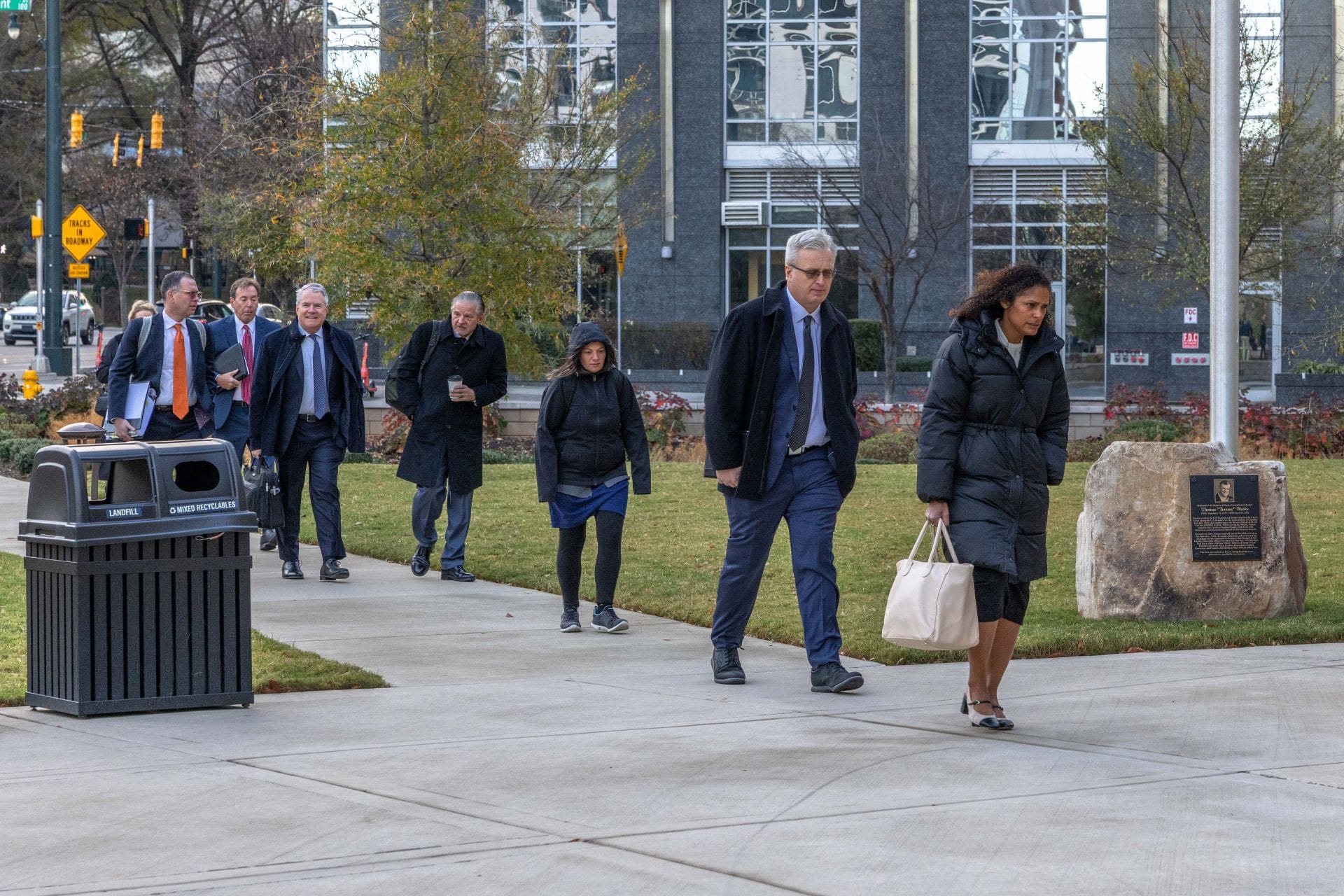
Scott Prime’s courtroom appearance focused on several core issues. Much of his first hour covered how the charter system evolved, how the charter documents were created, and what the intent of certain provisions was. One of the earliest points raised was the “goodwill provision.”
Speaking about an email thread from 2020, which he denied knowledge of, Prime's salary details came up. When pressed by Jeffrey Kessler, attorney of 23XI Racing and Front Row Motorsports, he mentioned that his job was only to make presentations for the NASCAR leadership group about business expansion.
Kessler asked: “How much do you make?...Now?”
Prime: “$400,000.”
Kessler: “That's a lot for someone that just puts slides together for someone else.”
Prime: “That's your opinion.”
Attorneys continued to question him on how the 'goodwill' clause shaped competition, and whether a team could realistically pursue an alternate series. Kessler, representing the teams, pushed hard on the meaning of the clause. Prime stuck to the same explanation: it was drafted for commercial stability, not for shutting out competition.
This clause was part of the “Project Gold Codes.” Prime was one of the officials involved in contingency planning while charter talks were ongoing. Teams had expressed fear that NASCAR could move forward without them if negotiations failed. Prime said that the planning was simply part of normal risk management.
The slides described layered responses. In the short term, NASCAR would manage delays, PR, and scheduling changes to reduce disruptions. The mid-term plan included shifting weekends to the Xfinity or Truck Series, recruiting outside teams from IMSA or WEC, and adjusting payouts. The long-term contingency envisioned a fully self-run Cup Series with the sanctioning body operating 36 cars within roughly 18 months and blocking all tracks for use.
Scott Prime maintained that this was only a fallback, similar to any corporate playbook prepared when discussions become uncertain. Kessler argued that the document showed monopolistic behavior meant to preserve control and block any competing stock-car series. His testimony concluded late on Day 3.

Get the latest NASCAR All-Star race news, Xfinity Series updates, breaking news, rumors, and today’s top stories with the latest news on NASCAR.


