


'%20x='0'%20y='0'%20height='100%25'%20width='100%25'%20%0A%20%20%20%20%20%20%20%20%20%20xlink%3Ahref='data:image/jpg;base64,/9j/2wBDAAYEBQYFBAYGBQYHBwYIChAKCgkJChQODwwQFxQYGBcUFhYaHSUfGhsjHBYWICwgIyYnKSopGR8tMC0oMCUoKSj/2wBDAQcHBwoIChMKChMoGhYaKCgoKCgoKCgoKCgoKCgoKCgoKCgoKCgoKCgoKCgoKCgoKCgoKCgoKCgoKCgoKCgoKCj/wgARCAAGAAoDASIAAhEBAxEB/8QAFQABAQAAAAAAAAAAAAAAAAAAAAb/xAAVAQEBAAAAAAAAAAAAAAAAAAAAAv/aAAwDAQACEAMQAAAAt7op/8QAHhAAAQQCAwEAAAAAAAAAAAAAAgEDBAUABhITFWL/2gAIAQEAAT8AvNc27ydpu5V20dtayW4HS0843Hiw+3ggt/eVWlWcCqhwz3W9M47INKQcEFVEc//EABYRAAMAAAAAAAAAAAAAAAAAAAABMv/aAAgBAgEBPwByf//EABQRAQAAAAAAAAAAAAAAAAAAAAD/2gAIAQMBAT8Af//Z'%3E%3C/image%3E%3C/svg%3E)

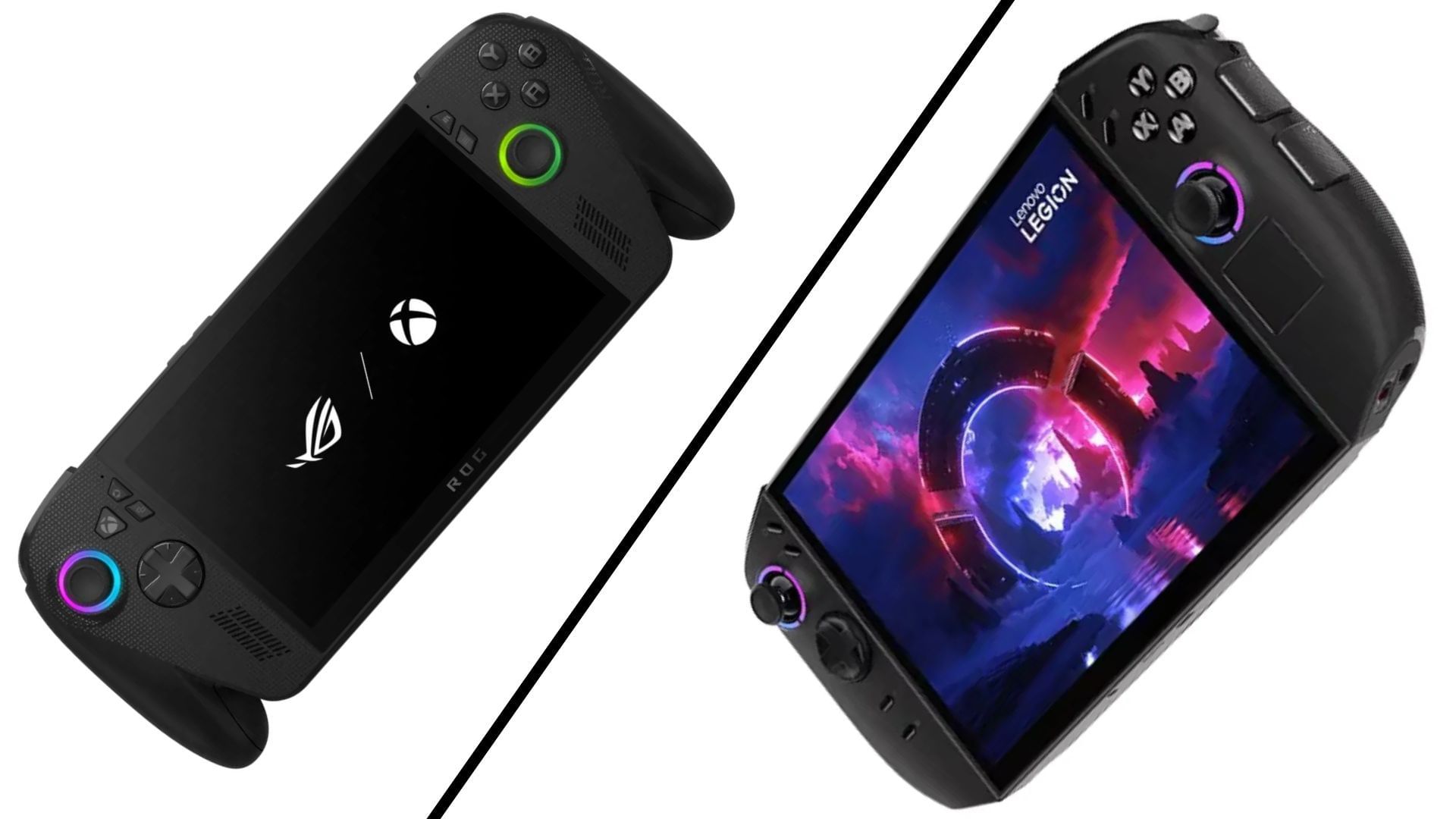
The ROG Xbox Ally and Ally X have now entered the market, as have Lenovo's Legion Go 2 handhelds. These devices push the barriers of mobile handheld gaming with the latest AMD Z2 Extreme SoC, faster RAM, and upgraded displays. However, the Ally lineup is undergoing an impressive overhaul this generation, as Asus has partnered with Microsoft to bring first-party Xbox features.
Does this make the ROG Xbox Ally the de facto handheld to buy? Let's compare it with the Legion Go 2 and find out.
How do the specs of the Xbox Ally, Ally X, and Lenovo Legion Go 2 compare?
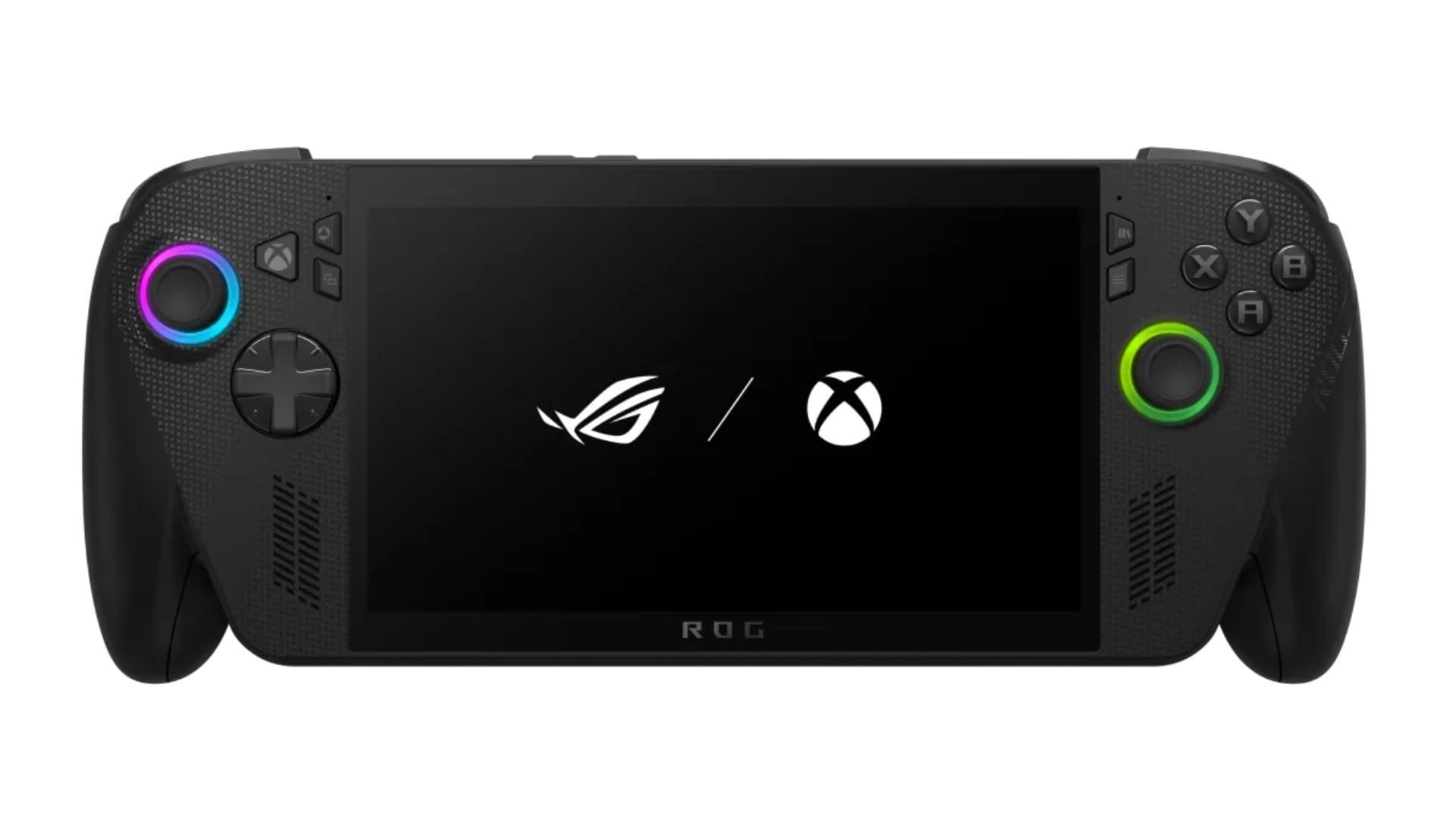
The Legion Go 2 and the Ally X bundle have similar specs. Both come with the Z2 Extreme chipset, while the cheaper Xbox Ally bundles the older Z1 Extreme. However, in terms of the underlying graphics processor, you get a newer RDNA 3.5-based Radeon 890M on the Lenovo. While performance hasn't improved significantly, given that they are both 12 CU-based designs, it justifies the $50 premium of the Legion.
 Trending
Other than the faster GPU, the Lenovo device has more RAM: up to 32 GB LPDDR5X, compared to Ally's 16 GB. While this may not translate to an immediate gaming performance improvement, it helps future-proof the device.
Similarly, you get a 2 TB M.2 SSD on the Legion Go 2, instead of the 512 GB drives default on the Allies. Most importantly, the Legion's SSD is M.2 2242, meaning better cooling and faster transfer speeds. These improvements also come bundled with a larger 8.8-inch 144Hz 1200p display, against the 120Hz 7-inch 1080p IPS on the Ally. Coupled with the 74 Wh battery, this makes the Lenovo handheld significantly heavier than the 40 Wh Ally.
Here's a look at the specs of the devices side-by-side.
What are the prices of the Xbox Ally, Ally X, and Lenovo Legion Go 2?
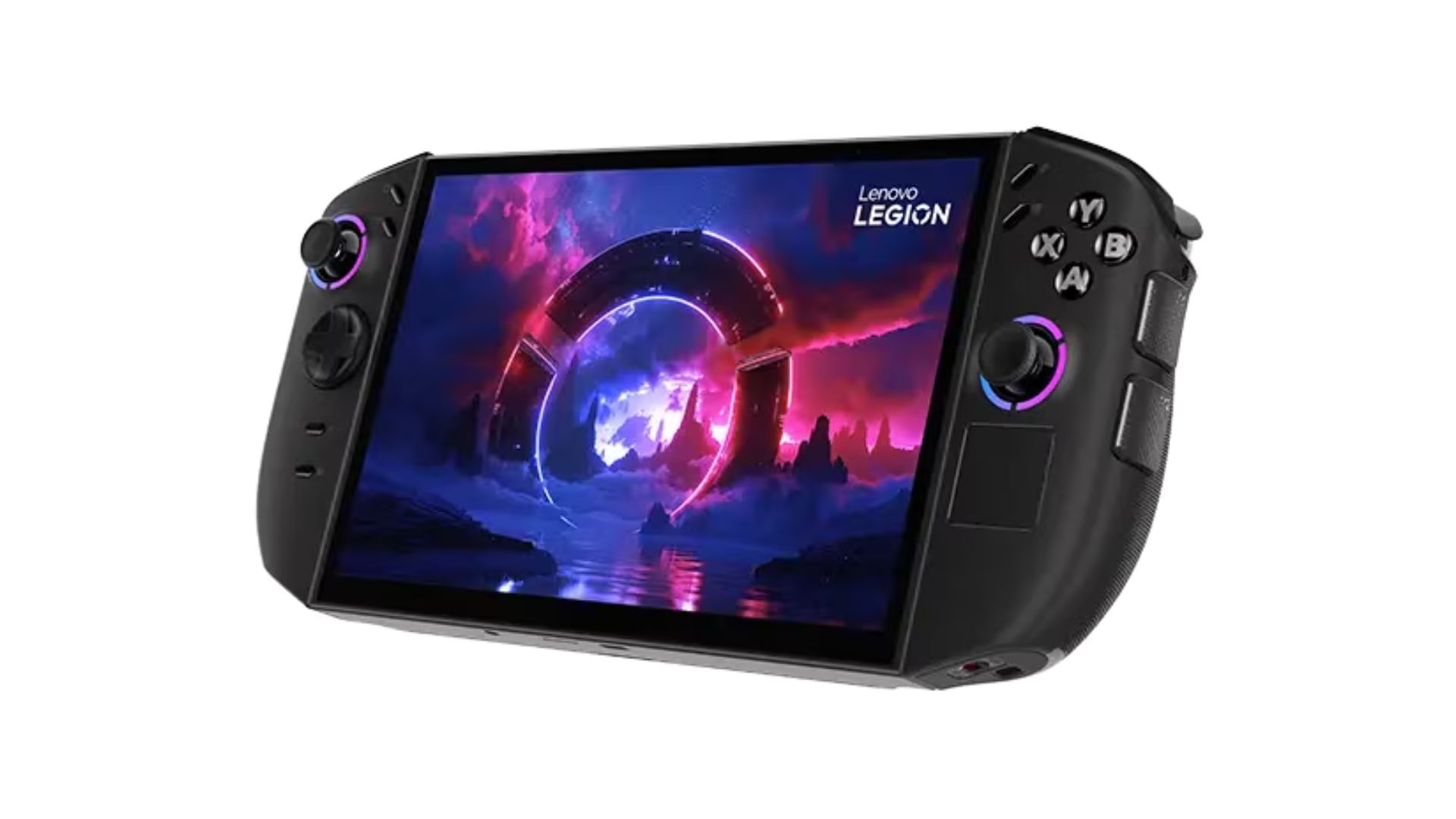
In terms of prices, the Xbox Ally X comes at $999.99, being slightly cheaper than the Legion Go 2's $1,049.99 starting price. The top variant of the Lenovo handheld will cost you $1,349.99, making it one of the most expensive models in the market.
In contrast, the Ally non-X is a budget-friendly $599.99 offering, maintaining the price of the ROG Ally from 2023.
ROG Ally and Ally X vs Lenovo Legion Go 2: Benchmarks compared
Here are some performance figures for the Ally X, Xbox Ally, and the Lenovo Legion Go 2.
In most single-core benchmarks, the Geekbench 6 and Cinebench 2024 perform nearly identically, despite having a newer chip. In multi-core tests, however, the Ally X takes a considerable lead. However, graphics performance remains similar across the board, with the Xbox-powered handheld taking a 6.2% lead. In terms of the disk paired with the handhelds, the Legion Go 2 is much faster, scoring a 31% better number. This means, for gaming workloads, the Ally X is the faster device.
Overall, the Ally seems to be the best buy for a highly performant handheld gaming machine that's also pragmatic. While the Legion Go 2 brings faster graphics, more storage, and a larger display, it may be too unwieldy for travelers, which limits the usability of the platform.


