


'%20x='0'%20y='0'%20height='100%25'%20width='100%25'%20%0A%20%20%20%20%20%20%20%20%20%20xlink%3Ahref='data:image/jpg;base64,/9j/2wBDAAYEBQYFBAYGBQYHBwYIChAKCgkJChQODwwQFxQYGBcUFhYaHSUfGhsjHBYWICwgIyYnKSopGR8tMC0oMCUoKSj/2wBDAQcHBwoIChMKChMoGhYaKCgoKCgoKCgoKCgoKCgoKCgoKCgoKCgoKCgoKCgoKCgoKCgoKCgoKCgoKCgoKCgoKCj/wgARCAAGAAoDASIAAhEBAxEB/8QAFQABAQAAAAAAAAAAAAAAAAAAAAb/xAAVAQEBAAAAAAAAAAAAAAAAAAABAv/aAAwDAQACEAMQAAAAnRL/AP/EAB0QAAICAwADAAAAAAAAAAAAAAECAxEABBIFBgf/2gAIAQEAAT8AX6T5PQC64d6h2ZuuABd5B7U5gjKxKFKihwM//8QAFREBAQAAAAAAAAAAAAAAAAAAABH/2gAIAQIBAT8Ar//EABURAQEAAAAAAAAAAAAAAAAAAAAB/9oACAEDAQE/AK//2Q=='%3E%3C/image%3E%3C/svg%3E)

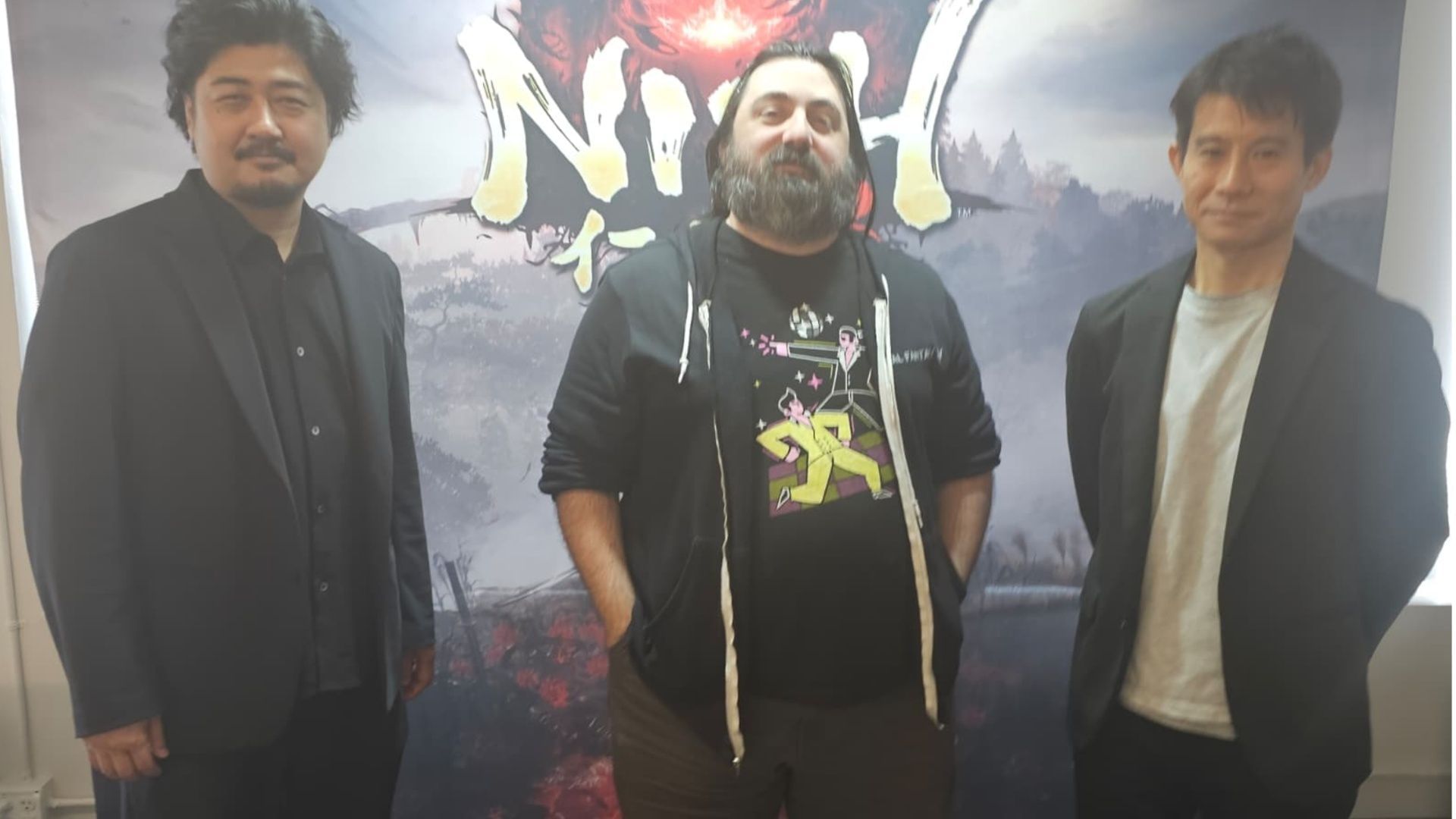
During my time at Koei Tecmo America previewing Nioh 3, I had a chance to speak with two of the developers, Fumiko Yasuda (General Producer) and Kohei Shibata (Producer), about the amazing, upcoming title. I’ve been a big fan of the Nioh franchise for a long time, as have several of my colleagues, so we collaborated on a few questions to ask the developers. Unfortunately, not all of our questions could be answered due to time limitations.
This interview was facilitated by a skilled translator whom I had met previously at Koei Tecmo's Dynasty Warriors Origins preview. It was a real treat to pick the brains of Fumiko Yasuda and Kohei Shibata about Nioh 3 after spending a few hours tackling difficult fights and trying out new mechanics.
Fumiko Yasuda and Kohei Shibata on Nioh 3’s story, characters, and eras featured
Q. In past Nioh games, one of the things we really enjoyed was replaying story missions to practice bosses and get an idea of just how strong characters have become since completing that mission. With Nioh adopting a more open-world mission structure, how does Team Ninja plan to balance replayability, or that of the missions themselves?
 Trending
Looking for Crossword hints & solutions? Check out latest NYT Mini Crossword Answers, LA Times Crossword Answers, and Atlantic Crossword Answers
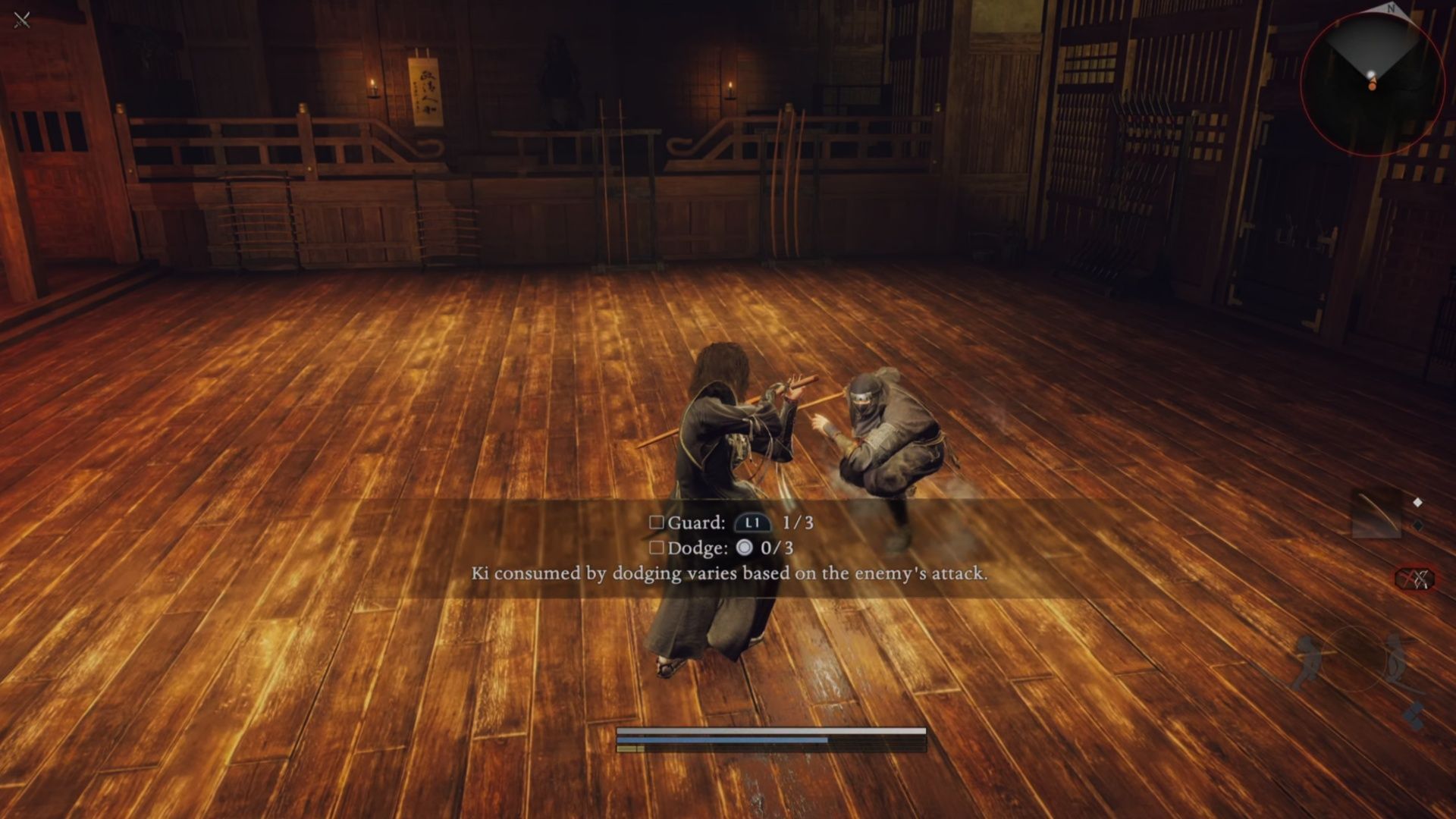
Fumiko Yasuda: So, I think there are really two points to this. The first one is that up until now, really being a mission-based game, if you were stuck at a stage or at some boss, you had to keep on continually re-challenging that boss, re-challenging that stage in order to progress throughout the game.
But this time, it being an open field game, if you don't actually have to do that, if you're stuck at a certain spot, then you don't immediately have to go back and re-challenge that boss. Instead, you can maybe take a side mission or do something else, maybe strengthen up, and then go back and re-challenge that boss.
So, there's an opportunity to re-challenge bosses that you weren't able to clear, but in a different way. It sort of adds to that replayability element, and it also expands the way that players can go about playing the game.
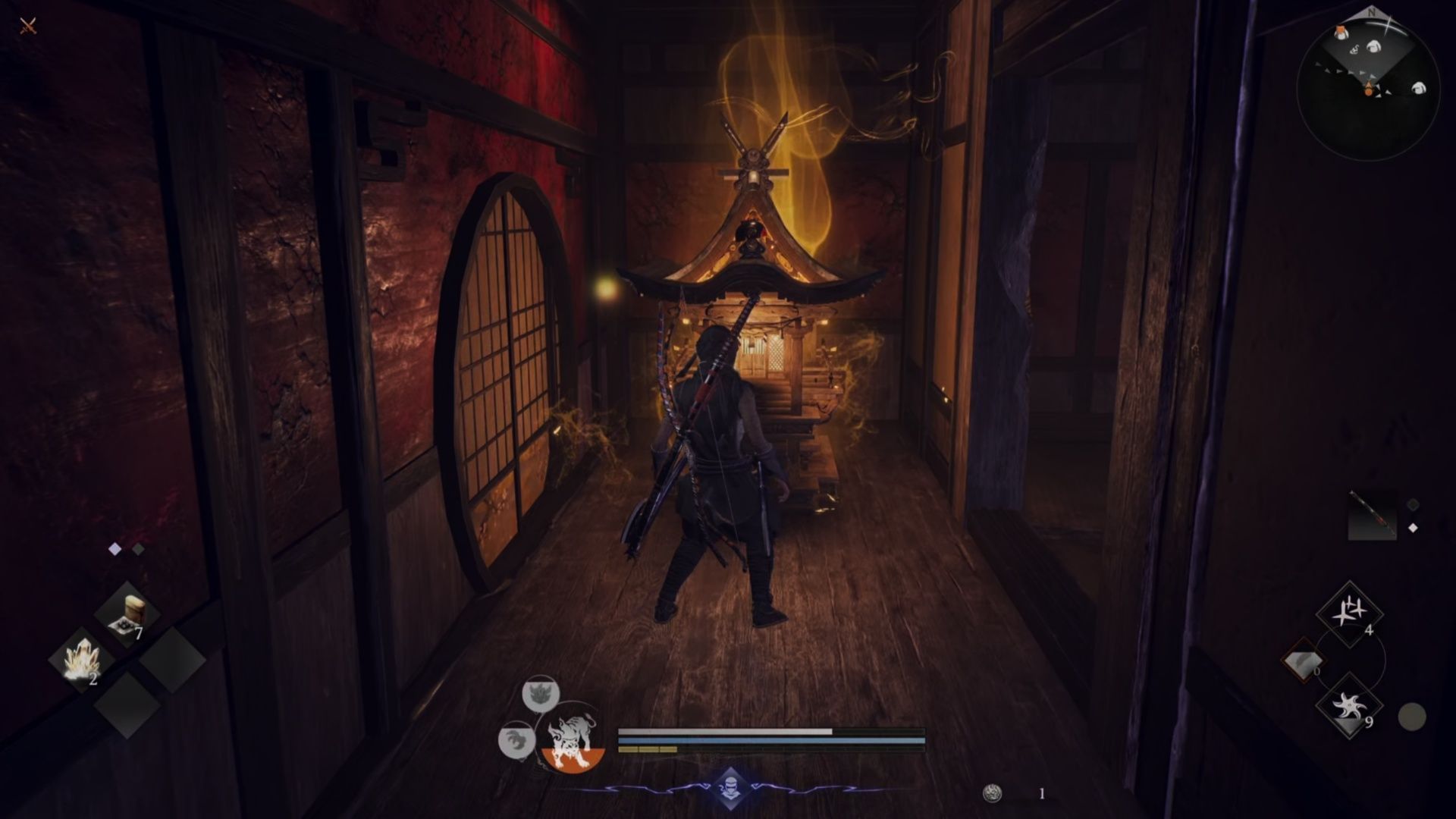
And the second thing is that in the previous game, it's been very sort of, as I mentioned, mission-based. In this game, there are sort of key missions, and that's why we've got the Crucible element to it. And if there, and you know, after you clear an element, you can actually go back to the Shrine and also re-challenge that.
So there is that, that replayable element in it. And so it still exists, and I think, you know, that we can retain that balance of people who do want to enjoy that replayability element. It [replayability] is still in there for them to do.
Q. Another thing we love about the Nioh franchise is the storytelling. Nioh 3 is interesting to me because it covers a lot of ground historically. There’s at least the Sengoku Jidai and the Bakumatsu eras covered. Honestly, the Bakumatsu is pretty underserved in modern media, save for games like Rise of the Ronin. What led to using different eras in Nioh 3?
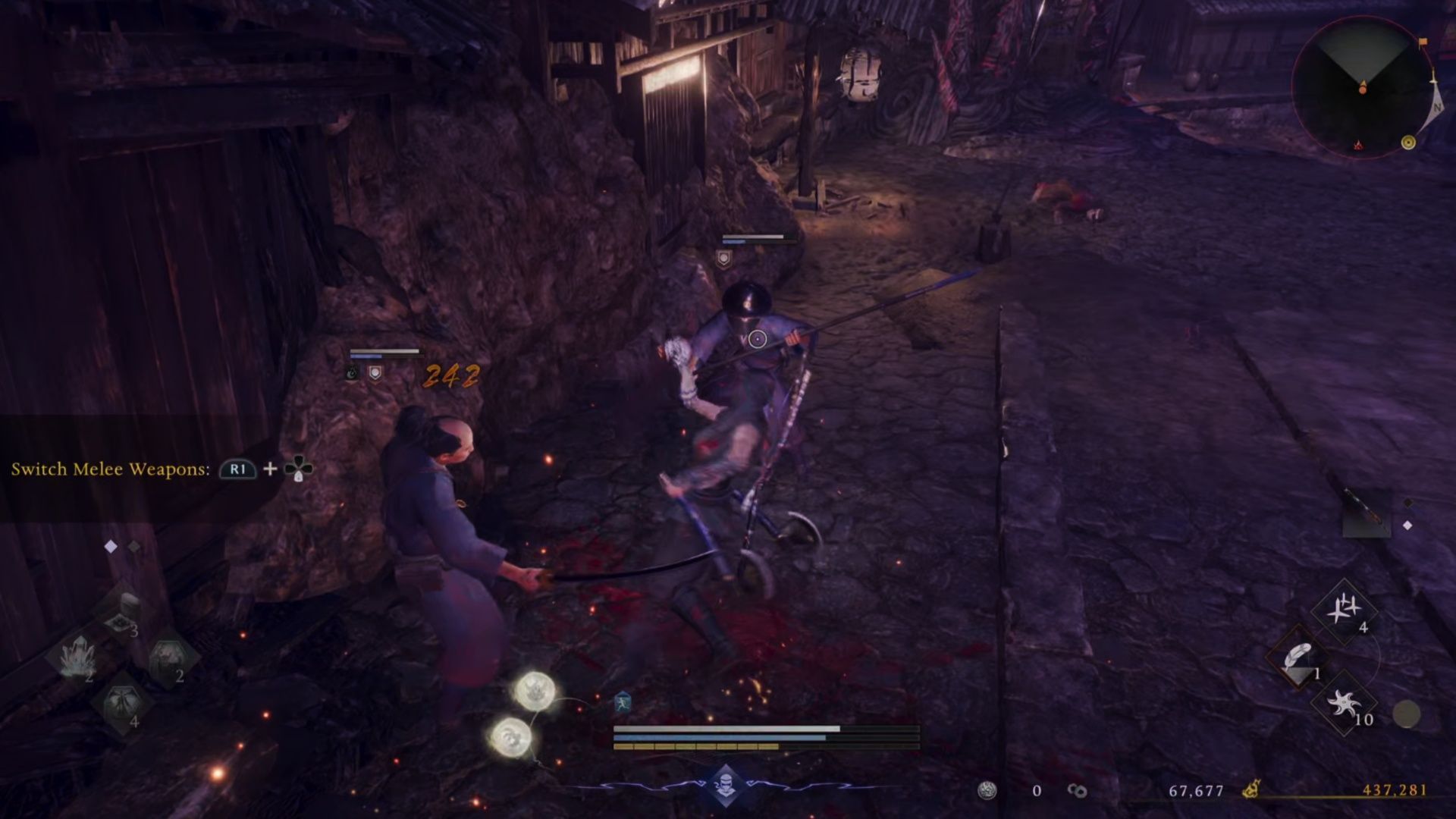
Fumiko Yasuda: So, I think with Nioh, traditionally, there has been a focus on the Samurai as being a theme, and this time [in Nioh 3], we’re also taking on the theme of having a Shogun, who is overseeing the top of the Samurai as well.
In order to really understand how the Shogun is involved and to get an idea of how this structure evolved, we have to go back and look at 12th-century Japan and see where this all kind of began. Then, we have 16th-century Japan, with the Sengoku era, where they were a lot more active, and then we have the Bakumatsu, which is the 19th century, more modern history.
The Sengoku Jidai era is one of chaos, and there were a lot of famous battles, but we really wanted to showcase a lot of the Samurai and how the Shogun comes into play in a historical story such as this. So, we really want to focus on the Sengoku Jidai and Bakumatsu periods inside of this.
These are also very popular and well-known eras in Japanese history and are portrayed a lot in domestic media within Japan. It’s also a time where there were a lot of heroes that have evolved in these eras, so we thought they would be good eras to focus on in Nioh 3.
Writer’s Note: While writing this question, I completely forgot that Tokugawa Iemitsu’s childhood name was Takechiyo. Nonetheless, I still feel like this was worth talking about. It may be something that other gamers do not know and will help provide a little context for this character.
Q. Our protagonist is Tokugawa Takechiyo, which is probably a pair of names very familiar to people who are fans of the Sengoku Jidai era. Is this supposed to be the actual Matsudaira Takechiyo (Tokugawa Ieyasu), or just a name designed to invoke an emotional response about one of the Great Unifiers?
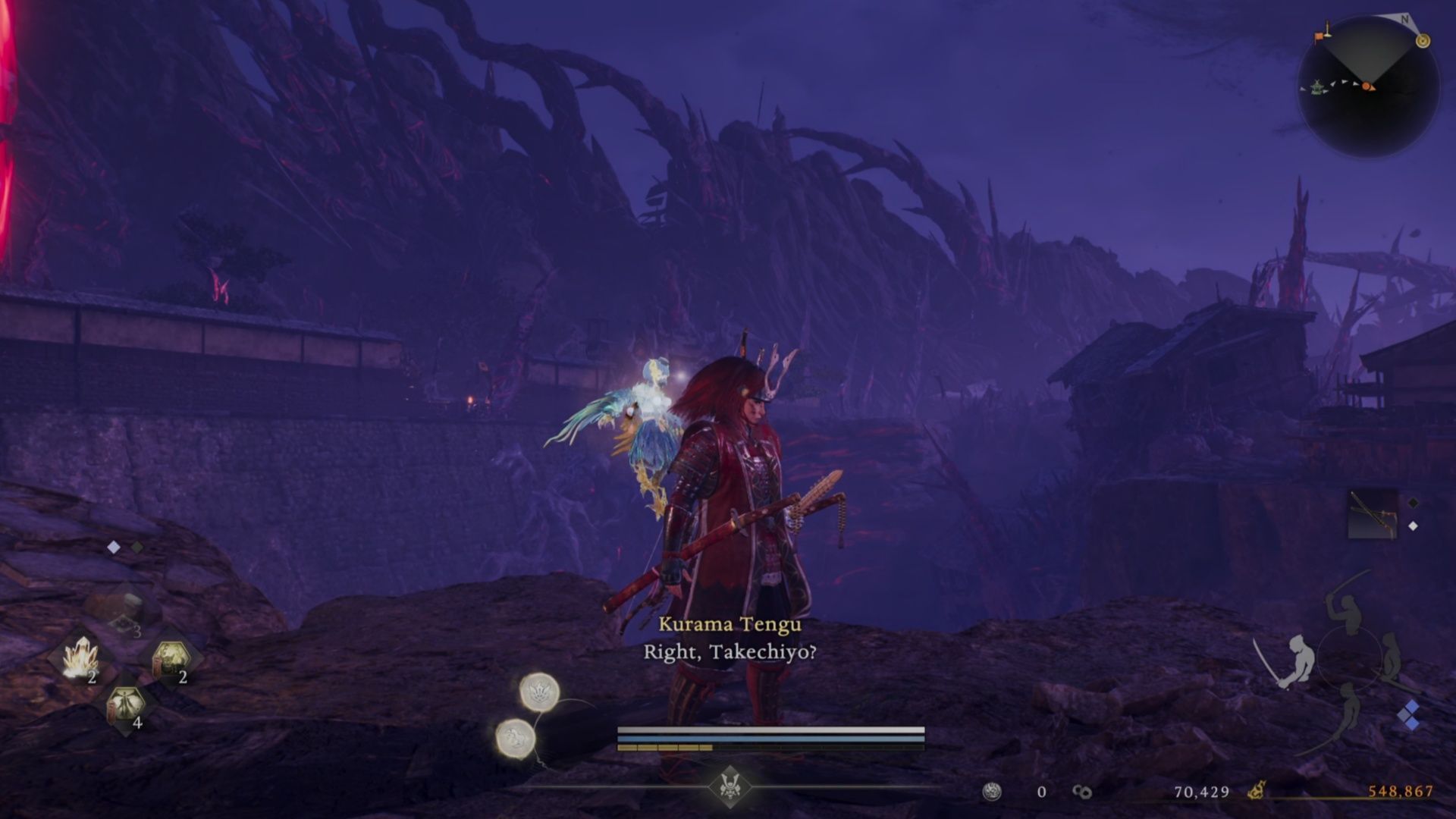
Kohei Shibata: I guess it’s not really much of a spoiler because we are basing the game on historical facts and features. In historical records, Takechiyo would be the grandson of [Tokugawa] Ieyasu, and in this case, as the theme of the game is the Shogun. We’re also basing it on the fact that, yes, in fact, Takechiyo and his brother battled over the position of the Shogunate, and we’re using those aspects of history as part of our storytelling as well.
It would also be correct to say, as you indicated, that yes, they would be related, and in this case, Takechiyo is the grandson of Ieyasu. In terms of using the name Takechiyo, when you become Shogun, your name does change. Since we are focusing on the story before he becomes Shogun, and everything that leads up to that moment, we are using the name “Takechiyo.”
Q. Nioh often gets lumped into the Soulslike due to its intense gameplay and difficult combat. When I spoke to the Final Fantasy: Strangers of Paradise team, they didn’t think their game counted as a Soulslike. Where do Team Ninja and Tecmo Koei stand? Is Nioh 3 a Soulslike or an action RPG?
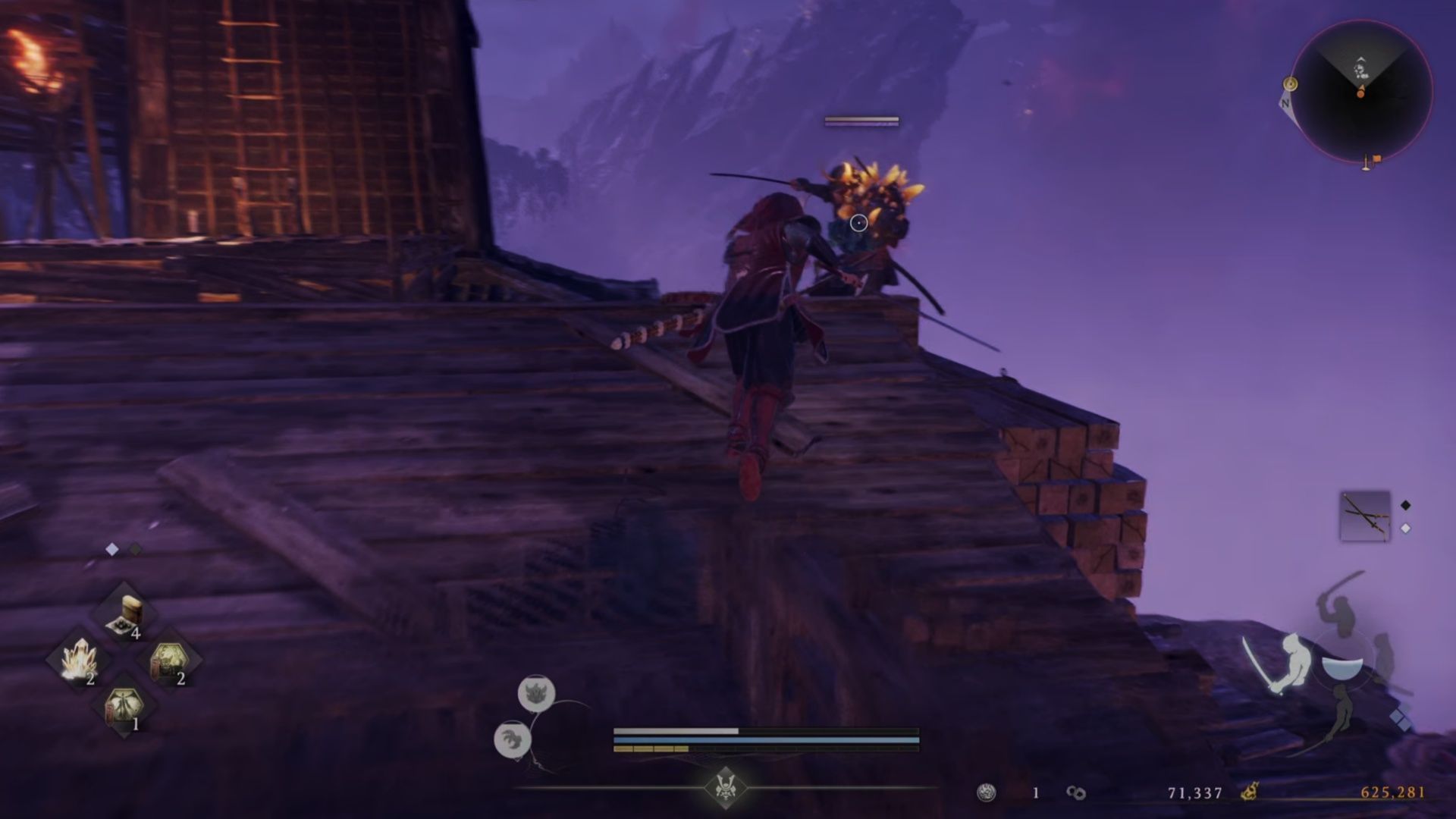
Fumiko Yasuda: It would be true to say that if there were no Dark Souls, there would be no Nioh. If it’s considered a Soulslike, there’s some correctness to that. But at the same time, Nioh’s more action-based, compared to some other Soulslike games.
We do value the features the series has, how it’s different from that [Soulslikes]. It can be called a Soulslike, but as long as they recognize the Nioh series as what it is, and not just a Soulslike game, that would be better for us. We wouldn’t be offended if Nioh 3 were put into the Soulslike category.
Writer’s Note: At this time, the developers weren’t sure if the glossary of information would be called an Encyclopedia/Glossary/et cetera, but they will get back to me with a proper term for it.
Q. How integral will it be to know the story of Nioh 1 & 2 before diving into Nioh 3? Or do you think players will be able to just pick it up and enjoy it for what it is? Or have you implemented a “Previously, in Nioh” cutscene in Nioh 3?
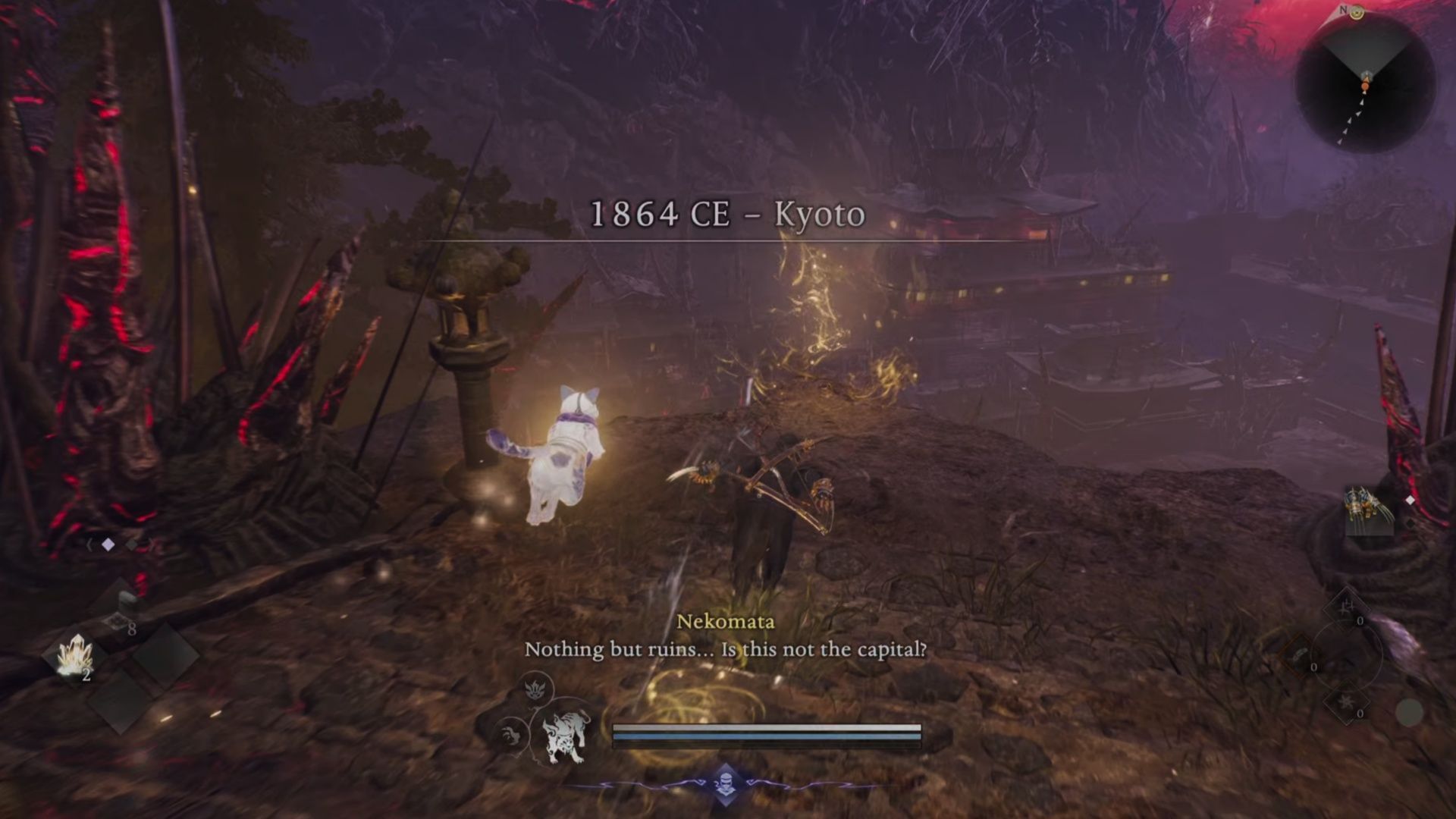
Kohei Shibata: Nioh 3 is a completely new story, so you can enjoy it without having to play 1 or 2. Throughout the game, there are some characters that appeared in the previous games, such as the Yokai, Guardian Spirits, and things that had appeared in the previous games.
If you’re familiar with the first two games, then you might be able to pick up a lot more and be able to enjoy some of these aspects more. Throughout the game [Nioh 3], there are explanations that explain these things, such as characters, who they were in historical records, and if they appeared in previous games, what kind of role they had.
Q. While I am glad to see Tokugawa representation in modern media, what led you to pick him as the design choice instead of another popular general or samurai in the Sengoku Jidai in Nioh 3?
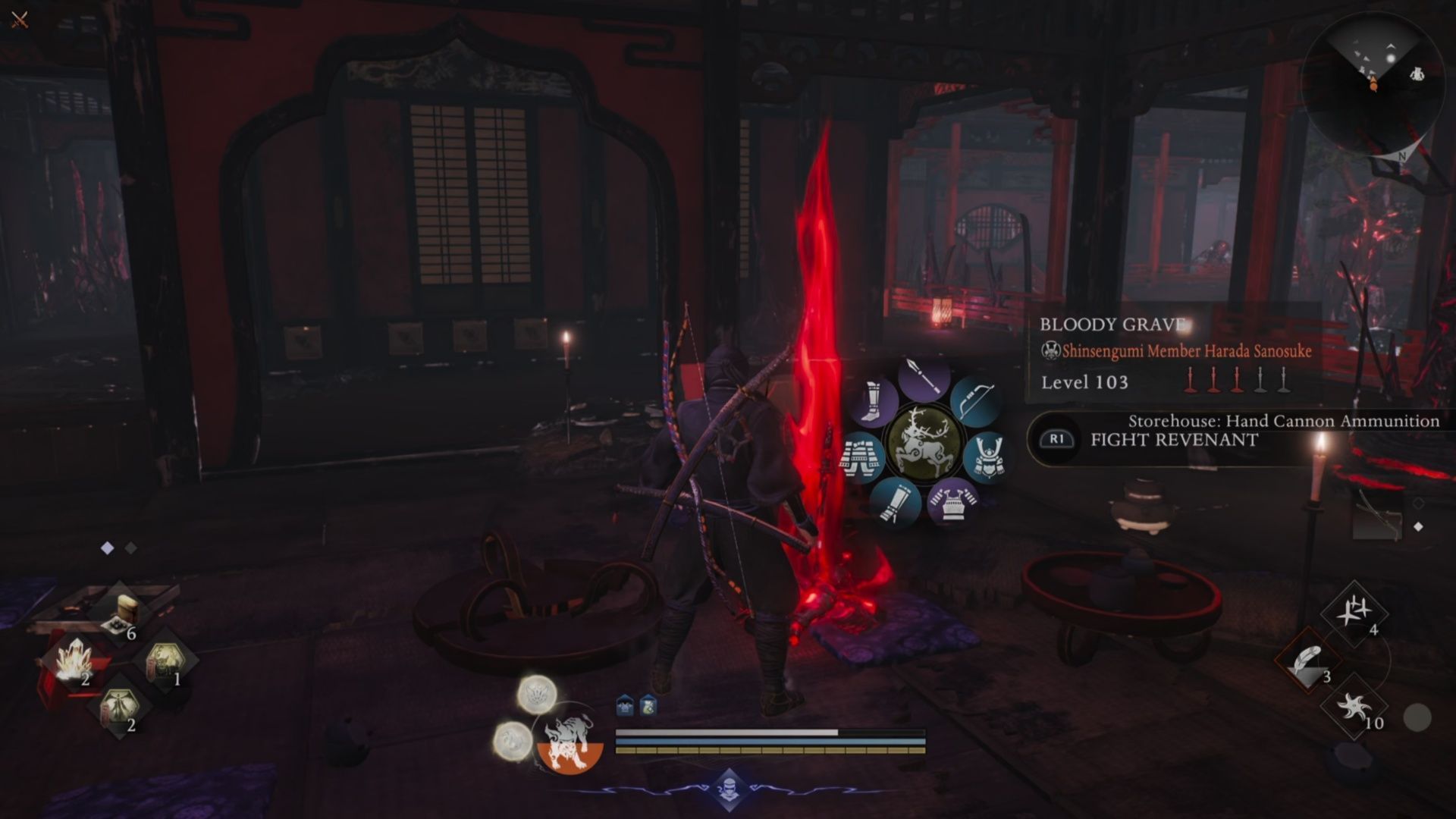
Kohei Shibata: Touching upon something that was brought up in an earlier question, this time, we wanted to make the theme of the Shogun core to the game. Historically speaking, Tokugawa Takechiyo was the third Shogun, and he and his younger brother (Tadanaga) battled over the position of Shogun. So we thought that this battle, wanting to be the Shogun, really suited the theme of what we wanted to go for in Nioh 3.
In fact, in history, Takechiyo did become Shogun, but what we’re changing from history is that in Nioh 3, his younger brother actually takes the position of Shogun from Takechiyo. So, we wanted to follow the story from the position of Takechiyo losing the Shogunate position, to show his growth, to become Shogun, and that’s what we wanted to portray in the story.
It’s a little bit different from history, but just the fact that Takechiyo was a figure in history that would fit, and hence, why him, as opposed to other characters.
Q. One of the key aspects of Nioh 3’s marketing and even the demo that was released earlier this year was the quick switch between the Samurai and Ninja playstyles. I personally really liked the idea of having two unique builds accessible at the same time. However, I also think having to maintain two builds simultaneously can get a bit overwhelming, especially for new players. How is Team Ninja planning to approach this hurdle, and is it possible to play through the entire game with either Samurai or Ninja playstyles?
Shibata: I'm really glad to hear you like the two playstyles! At first glance, it may seem complex, but the roles and features of each are quite clear, and since they can be changed instantly with the touch of a button, I think it'll be surprisingly easy to get used to them once you give it a try.
And this touches on the latter part of your question, but while there's a lot to enjoy by using both styles, the game has been structured so that if you're only comfortable with using only one style, you can still fully enjoy the game and even clear it.
If we made the game so that "you can only defeat enemies if you use both styles," we'd lose the degree of freedom there is in order to get through the game, and that's something important for us to retain in the Nioh series.
I think it’s completely fine to let players have the choice of playing with the style that they feel is easier to fight with from start to finish, or if they get used to one style, to then try out the other style and switch between them while battling throughout the game.
Q. On the topic of “new players”, Nioh 3 will no doubt attract new players to come and try their hand. Are there any systems or mechanics to help newcomers to this more challenging style of game?
Shibata: Well, first, for the controls and system, the tutorial in this game is even more comprehensive, and the skills and abilities are gradually unlocked, so it's set up so that you can learn them as you progress in the story.
Also, the required controls or commands will automatically show up on the edges of the screen, depending on the situation or frequency of specific controls. And this can be toggled on or off in the options menu.
In terms of getting through the game, in addition to the various builds that have existed throughout the series, the addition of the samurai and ninja play styles, as well as the open field, has increased the freedom in exploration and how players can choose to progress through the game.
And there's also an increase in the range of strategies and how to strengthen your character, and with online multiplayer added to the mix, we’ve provided players with a lot more options and ways to defeat powerful enemies, even if you're not great at action games.
Q. It’s been more than half a decade since Nioh 2’s release. And since then, Team Ninja has released multiple titles and new IPs like Wo Long: Fallen Dynasty, which is a personal favorite of mine, and Rise of the Ronin. Is Nioh 3 incorporating any elements from these two titles, be it combat, general moment-to-moment gameplay, or storytelling?
Yasuda: There's the deflect and 3D action of Wo Long, the ninja action of NINJA GAIDEN, and the open world of Ronin, and Team NINJA has taken the experience we've gained and lessons we've learned from each of these titles in the development of Nioh 3.
And of course, we have added a lot of arrangements and redefined these elements in a way that fits the Nioh series, such as the ninja and samurai battle action, and the open fields that are highly dense and caught in the middle of warfare.
Team Ninja on if there could be another “Team Ninja” Ninja Gaiden 2D title
During the Nioh 3 conversation, I also wanted to ask just one question about the Ninja Gaiden franchise because the 2D games from the NES are near and dear to my heart. Even if they were brutally difficult, they informed a lot about how I feel about platformers in the modern day.
So, while I was sitting down with Shibata-san and Yasuda-san, I asked if we could get another 2D Ninja Gaiden game from Team Ninja. Of course, Ninja Gaiden Ragebound came out earlier this year, but that was not a Team Ninja game. Here’s what Fumiko Yasuda had to say about it before we got back to chatting about Nioh 3:
“This year, the game Ninja Gaiden Ragebound was released. Even though we weren’t the developers on that, it was developed by The Game Kitchen, it does take on the 2D spirit of the series. So there has been a 2D-style game of Ninja Gaiden, but there’s always the possibility we could revisit that, but the only thing right now is that our Team Ninja staff doesn’t have anyone that has done the 2D style. So we don’t have that internal knowledge within our current team. If we were to do that, we’d work with a partner, but I am also aware that there are many fans who are looking forward to another 2D game.”
I’m definitely one of those people! While we certainly loved Ninja Gaiden 4 here, I would be remiss if I didn’t say I would love to see another 2D title direct from the Team Ninja crew. Ragebound was incredibly fun, but I can’t help but wonder what a Team Ninja 2D title would look like nowadays.
Nioh 3 releases on February 6, 2026, from Koei Tecmo and Team Ninja, and will be available on PlayStation 5 and PC.

Are you stuck on today's Wordle? Our Wordle Solver will help you find the answer.


