


'%20x='0'%20y='0'%20height='100%25'%20width='100%25'%20%0A%20%20%20%20%20%20%20%20%20%20xlink%3Ahref='data:image/jpg;base64,/9j/2wBDAAYEBQYFBAYGBQYHBwYIChAKCgkJChQODwwQFxQYGBcUFhYaHSUfGhsjHBYWICwgIyYnKSopGR8tMC0oMCUoKSj/2wBDAQcHBwoIChMKChMoGhYaKCgoKCgoKCgoKCgoKCgoKCgoKCgoKCgoKCgoKCgoKCgoKCgoKCgoKCgoKCgoKCgoKCj/wgARCAAGAAoDASIAAhEBAxEB/8QAFgABAQEAAAAAAAAAAAAAAAAAAAQG/8QAFQEBAQAAAAAAAAAAAAAAAAAAAQP/2gAMAwEAAhADEAAAAINQFf/EACAQAAICAQMFAAAAAAAAAAAAAAECAwQFAAcRBhIhInH/2gAIAQEAAT8A3KzU2O6hnv12dYhejp9inyXUD2+ax24MFnH1Z2qzK0sSuVBB45Gv/8QAFxEBAAMAAAAAAAAAAAAAAAAAAgABMf/aAAgBAgEBPwBq1s//xAAYEQEAAwEAAAAAAAAAAAAAAAACAAERQf/aAAgBAwEBPwBgjM7U/9k='%3E%3C/image%3E%3C/svg%3E)

In October 2025, I previewed Dragon Quest VII Reimagined, and also had the good fortune to chat with Takeshi Ichikawa, producer of the upcoming title via a translator. Dragon Quest VII is such a fascinating game for me personally, because it’s never been one of my favorites in the series, for a wide array of reasons. That said, it’s one I’ve written about, because the main character is arguably one of the strongest protagonists in the series.
That said, I’ve been hands-on with Dragon Quest VII Reimagined, and so far, I absolutely loved it. The Moonlighting (dual-class) feature is amazing, and the streamlining of the story feels good. I talked about these changes and much more with Takeshi Ichikawa, after my hands-on experience with Dragon Quest VII Reimagined.
Takeshi Ichikawa of Dragon Quest VII Reimagined on cut content, new storylines, and where he stopped playing DQVII
Q. Hello! First, thank you so much for taking the time to chat with us. For those who might not know who you are, could you please introduce yourself, your role, and any other titles players might recognize you’ve worked on?
 Trending
Looking for Crossword hints & solutions? Check out latest NYT Mini Crossword Answers, LA Times Crossword Answers, and Atlantic Crossword Answers
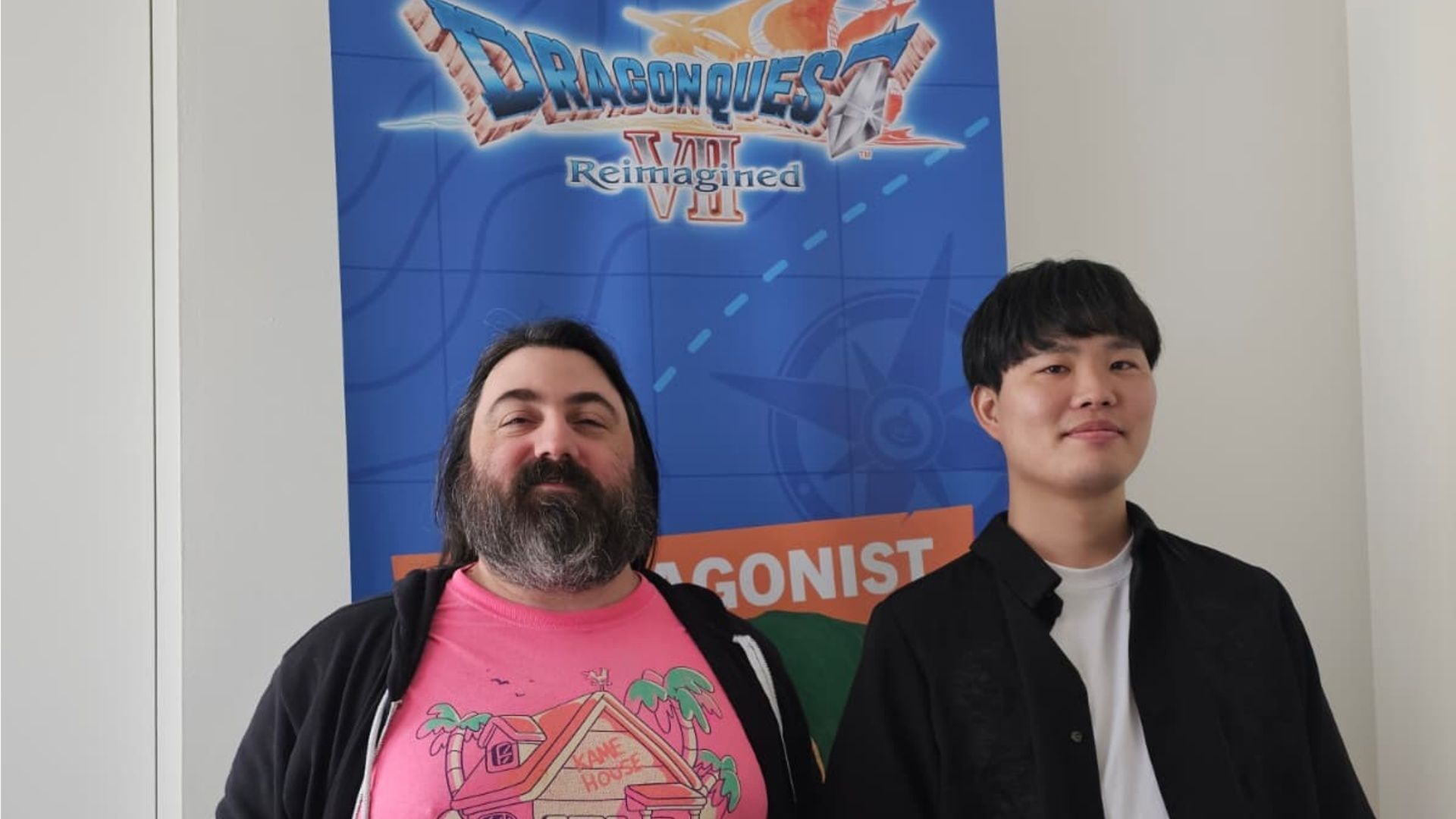
Takeshi Ichikawa: My name is Takeshi Ichikawa, and I’m the Producer of Dragon Quest VII Reimagined. As for previous titles I’ve worked on, the very first that I was involved with when I joined this industry was Dragon Quest Builders 2. I was the Assistant Producer on that title.
Jason Parker: Ahh, that’s one of my favorite games! I don’t normally like building games, but I fell in love with Builders 2. I’m still hoping for a Builders 3.
Takeshi Ichikawa: Aside from Dragon Quest Builders 2, I also worked on Dragon Quest XI S, and I also served as Assistant Producer on that. So Dragon Quest VII Reimagined serves as my first time as producer.
Jason Parker: And I know I said it earlier, but DQXI is tied for my favorite Dragon Quest of all time, next to DQIII. It’s as close to a perfect Dragon Quest game as there has ever been.
Q. What’s your history and experience with Dragon Quest? Is it a series you played a lot of in your youth?
Takeshi Ichikawa: So the very first Dragon Quest game I ever played was Dragon Quest Monsters: Terry’s Wonderland. As for the first-ever mainline game, it was actually Dragon Quest VII. I was a very young kid then, back in elementary school, and it does kind of pain me to talk about, because I actually gave up halfway. I didn’t finish the game. After that, I also played a handful of other mainline titles and spinoff titles, and then I joined Square Enix.
Jason Parker: I’m in a sort of similar boat with [Dragon Quest] VII. I didn’t give it up, but I did stop playing it for quite a long while. [Laughs] It came out when I was about 18, and it was a game I really didn’t like at first, similar to Dragon Quest II. DQVII did grow on me, as did DQII when I started playing the HD-2D Remake.
Q. According to an interview with Yuji Horii, there’s been content that was confirmed added/removed from Dragon Quest VII. Among these bits of content, we’ve heard that the Immigrant Town, Monster Meadows, and the Excellence Grading Organization may have been cut. The translation of the interview may have been incorrect, so I wanted to ask if this is true.
Takeshi Ichikawa: Yes, I can confirm that the content you listed has been removed from Dragon Quest VII Reimagined.
Q. I’ve also heard mixed reports on the Scenarios: Grondal, Providence, and El Ciclo. I’ve heard they’ve been cut, but I’ve also heard rumors that they’ve been used as side quests/side content. Are you able to confirm this?
Takeshi Ichikawa: Yes, I can confirm that as well.
Q. Dragon Quest VII is a game that’s personally quite odd for me among the franchise. It’s one of the only games in the series I’ve only played through once, and that was when it originally came to America. One of the changes that were made definitely appealed to me: a more streamlined storyline. The introduction to the original game definitely felt like it was a bit long. What sorts of changes can we expect in the story?
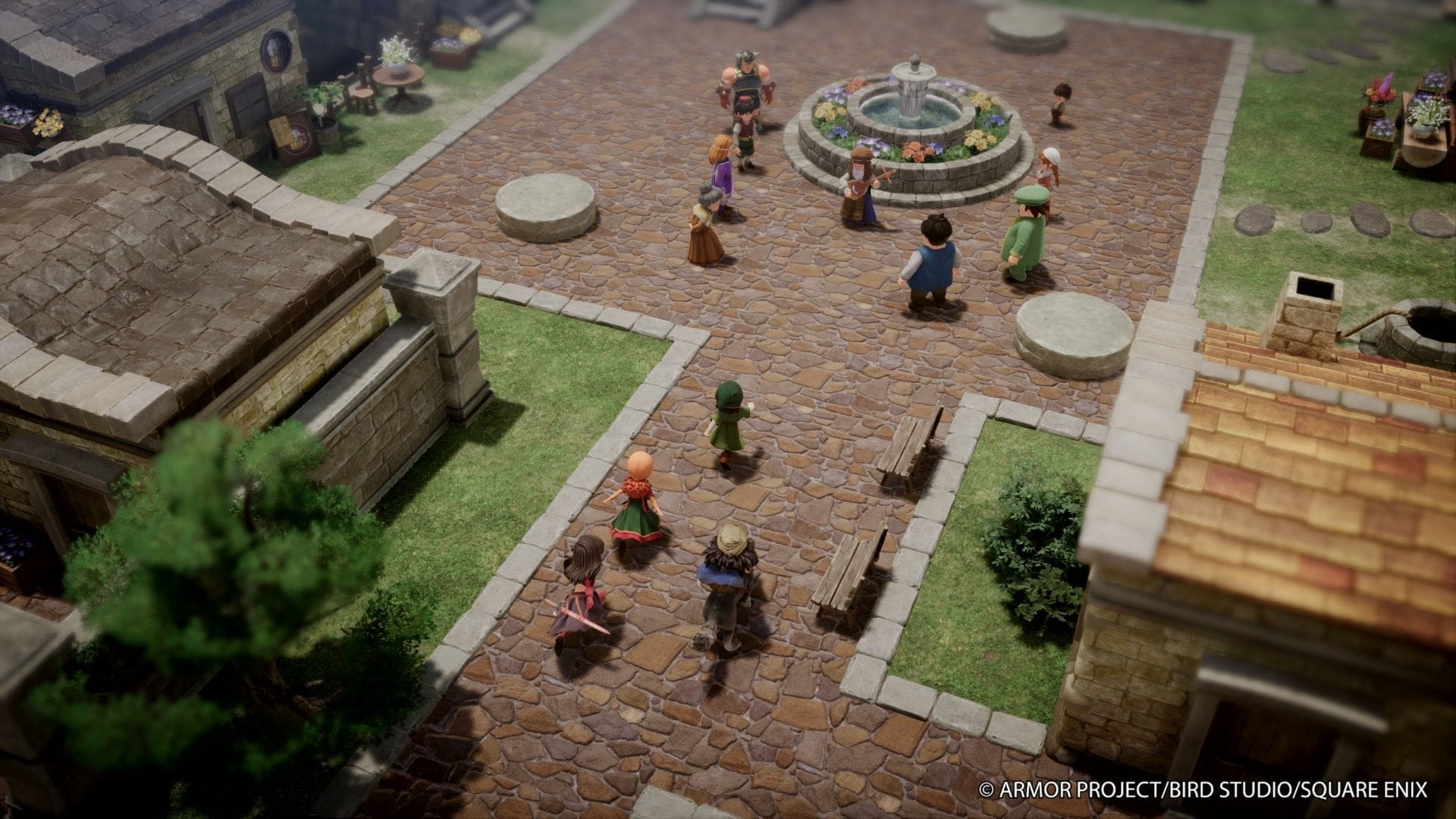
Takeshi Ichikawa: With the remastered version, we reworked the scenario, the narrative entirely. It’s a complete overhaul. We looked at pacing, and made sure that we rearranged everything so that it’s more streamlined and appealing to our audiences. But at the same time, we wanted to make sure we were retaining all the good parts from the original, too.
You brought up a great point, actually. The introduction, the prologue, is something we worked on as well. We identified the prolonged duration it takes to get to the first battle of the game. You mentioned it takes about 3 or 4 hours on the PlayStation, and you were dead on. [Laughs]
That’s the correct understanding of it. In the Reimagined version [of Dragon Quest VII], we worked on everything, we rearranged all the scenarios, made some adjustments and streamlined things, as for the first battle in the game, it shouldn’t take you more than an hour to get to that point.
Q. I’d like to circle back to earlier, where you said you had a similar experience with Dragon Quest VII. Where did you fall off in VII? What made you stop playing?
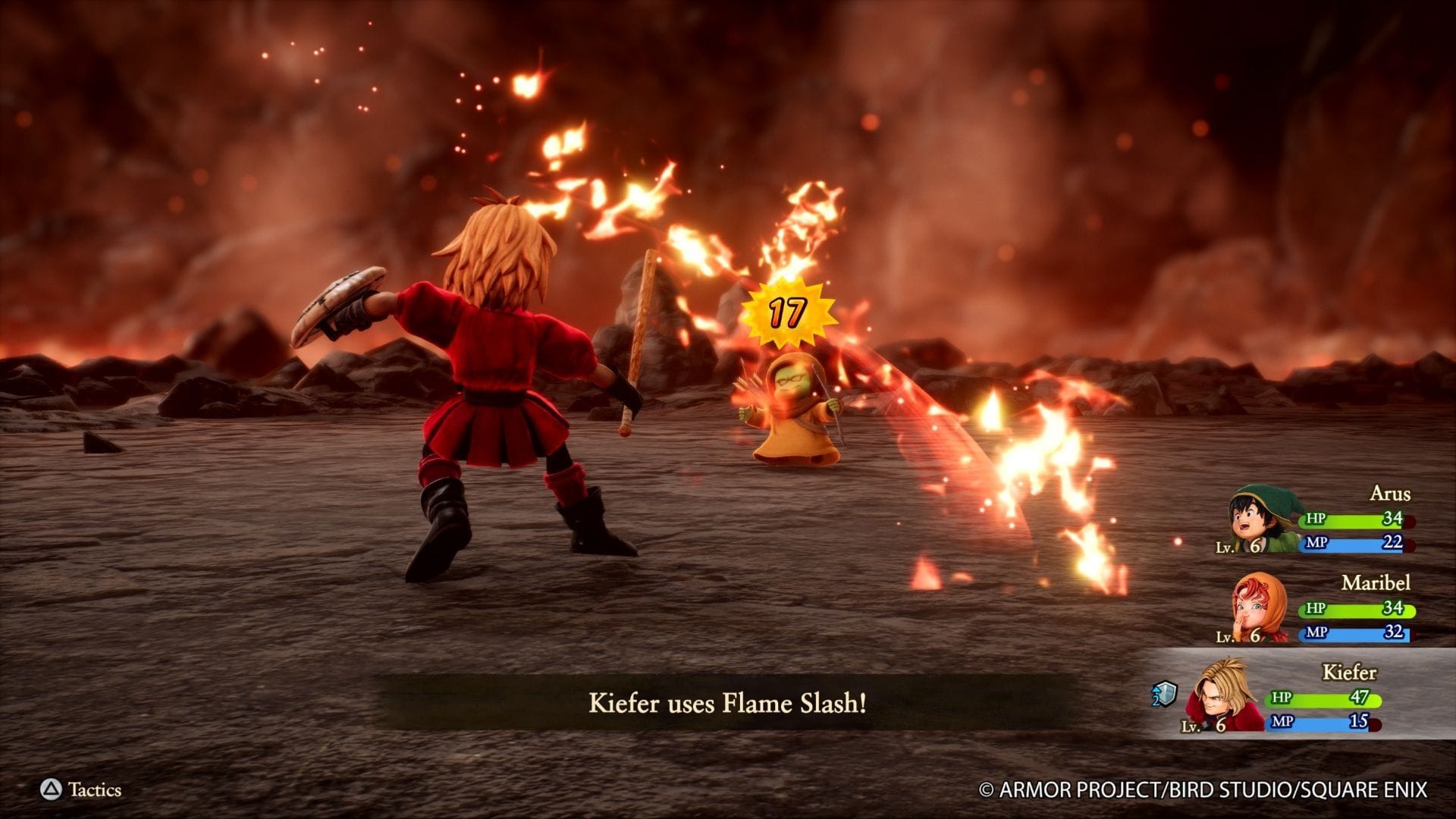
Takeshi Ichikawa: To be quite honest, I actually gave up pretty early on. [Laughs]
Jason Parker: I get it! [Laughs]
Takeshi Ichikawa: It was actually before I even reached the first battle. The reason why is exactly the reason that you mentioned. I just wanted to get into battles with monsters, and since my first exposure to Dragon Quest was Dragon Quest Monsters: Terry’s Wonderland, and you get into battles with a bunch of monsters pretty early, I was expecting a similar experience to that.
But Dragon Quest VII takes quite a long time to get into that first battle, so it did feel boring to me back then. But I was a very young kid.
Jason Parker: And around that time, Final Fantasy X came out. So I asked myself, “Why am I struggling with this, when I can just put 300 hours into FFX? Which is what I ultimately did.” [Laughs]
Q. We’ve seen some pretty interesting changes in the recent Dragon Quest remakes. I’m looking again at the Roto Trilogy and the addition of the Monster Wrangler Vocation in DQ3. Are we going to see new Vocations, or any major changes to the Vocation system in DQVII Reimagined?
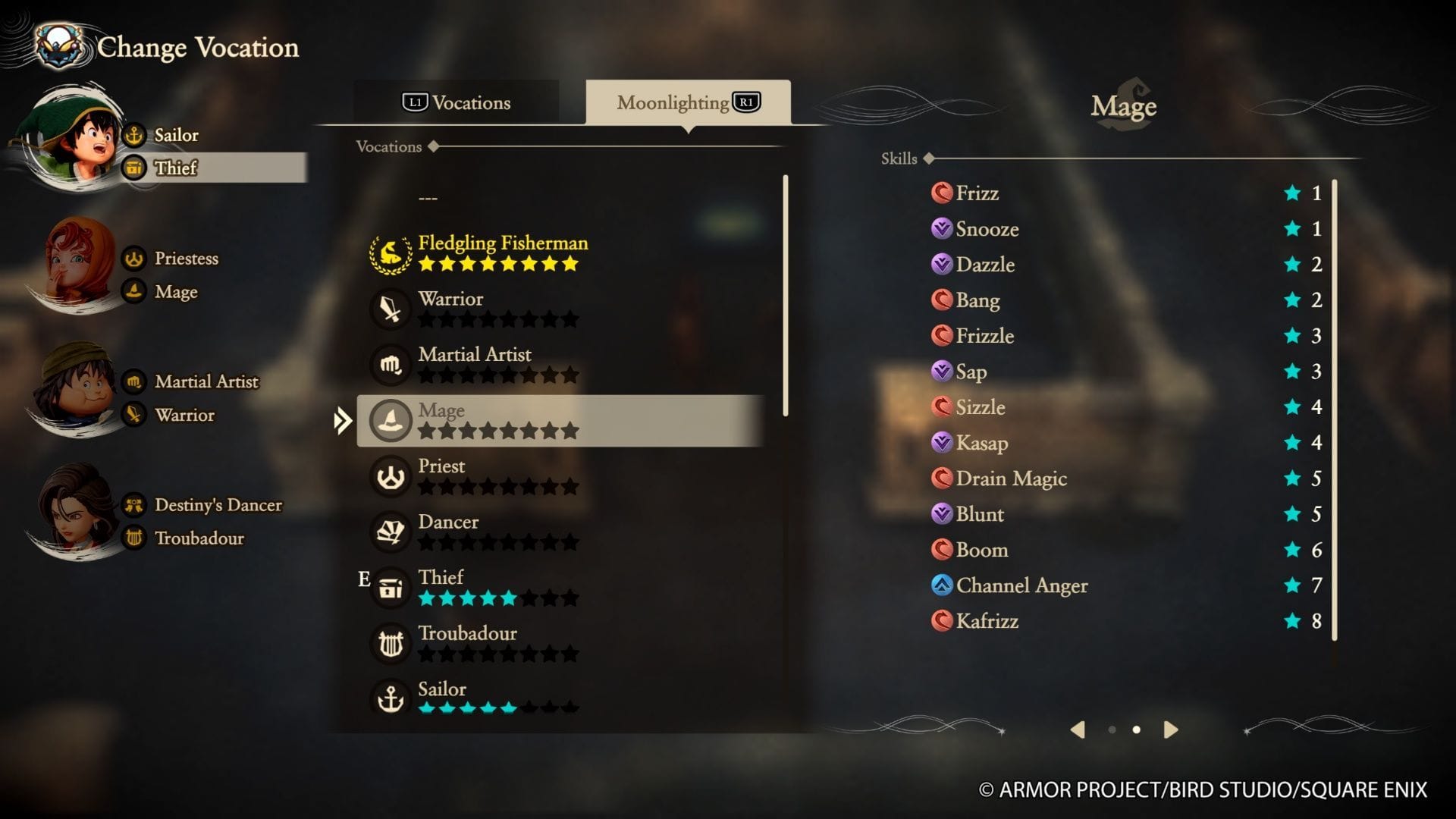
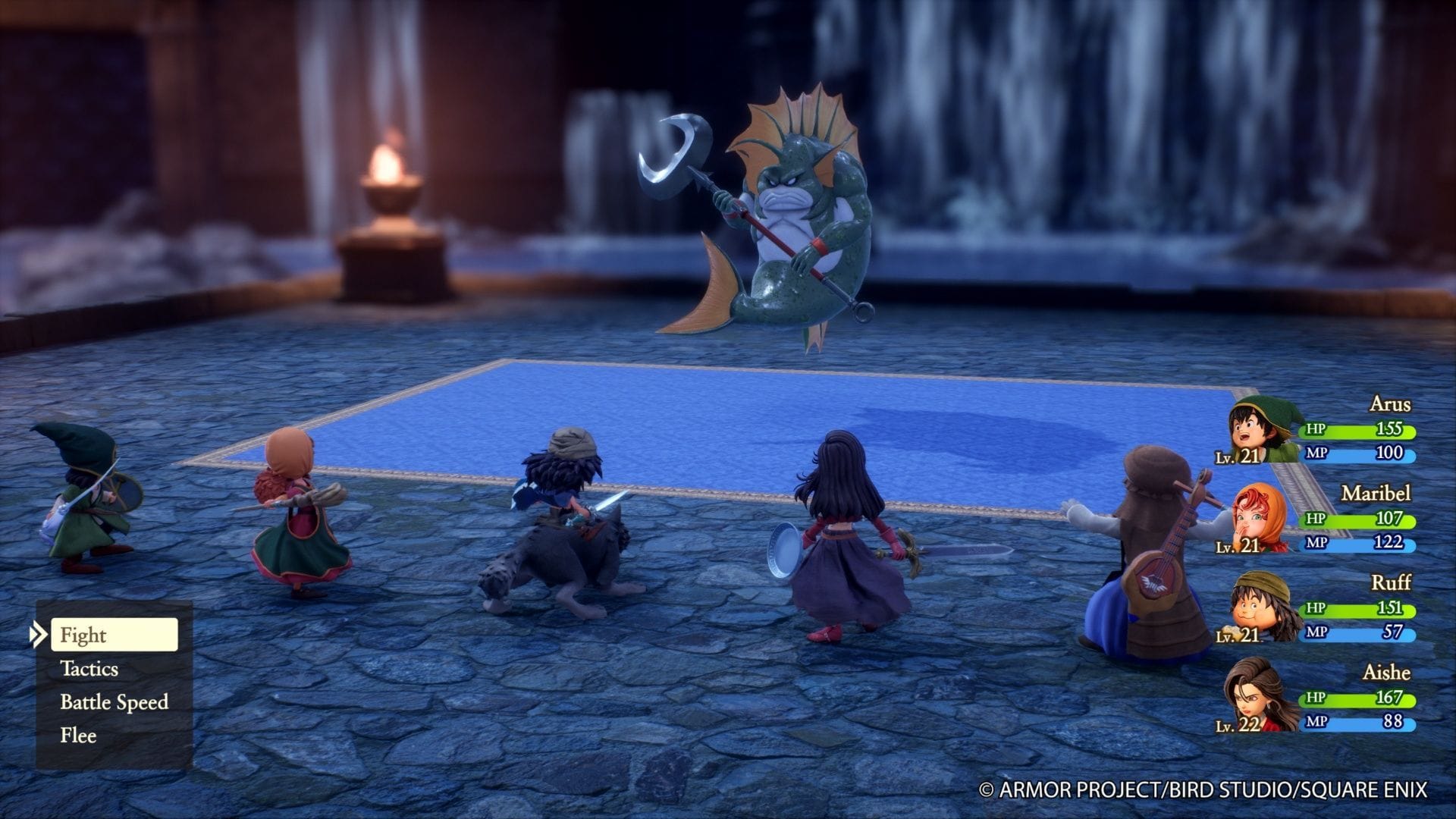
Takeshi Ichikawa: As for the Vocation elements of Dragon Quest VII Reimagined, we focused on what we call the “Human Vocations”, as opposed to the “Monster Vocations”, which were in previous releases. That’s the content that was removed in this version, so we’re focused on the character’s Vocations here.
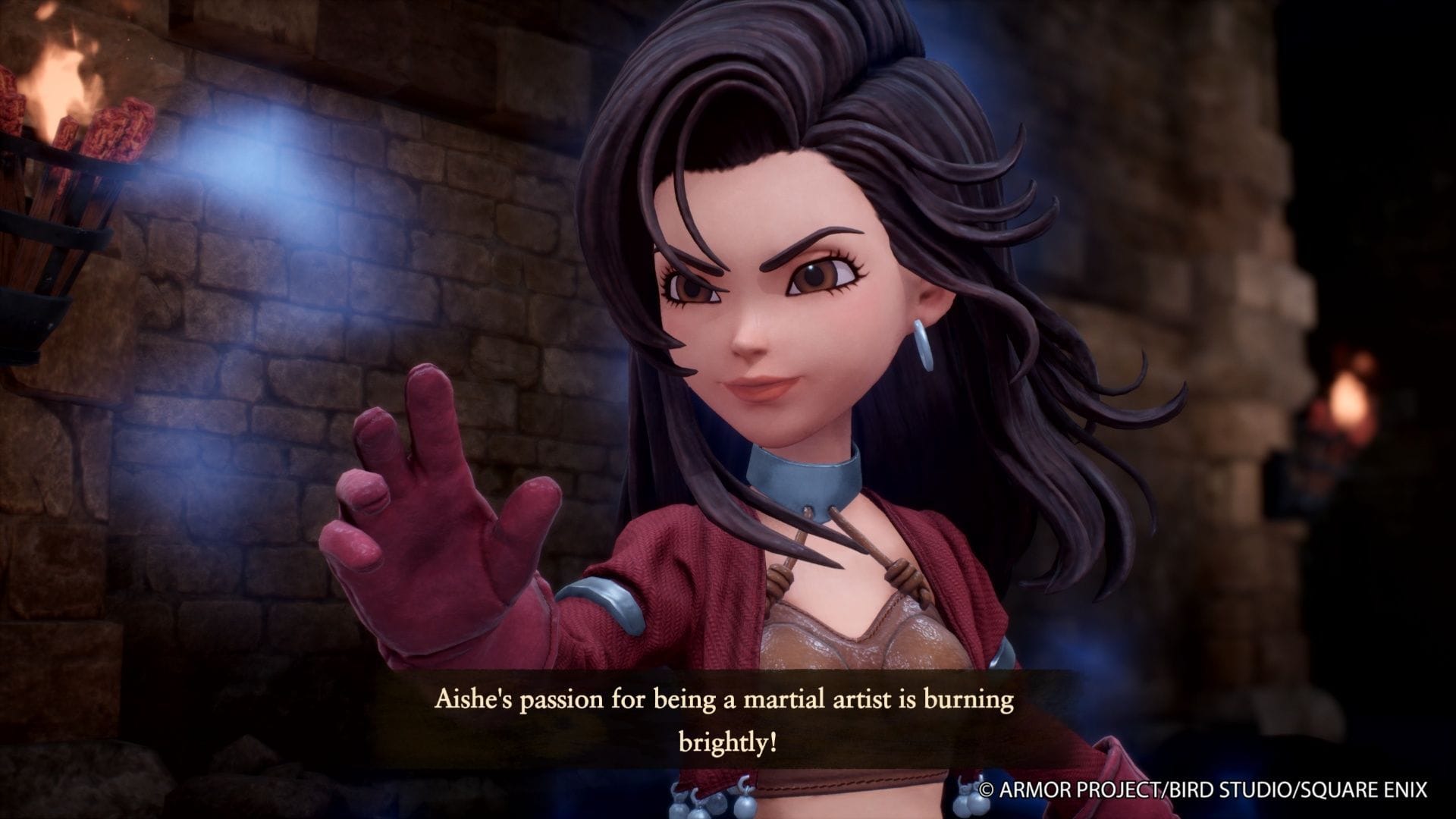
Before the full Vocation system and Moonlighting is unlocked, a Unique Vocation is attached to each and every one of the party members. So that’s the new addition to the Vocation system.
Q. On that note, I love Moonlighting, and I love being able to dual-class. Was this a decision made because Dragon Quest games, especially Dragon Quest games at that point in time, were incredibly difficult? VII and VIII in particular were very challenging games, but having a dual-class system, essentially, could tone down the difficulty a bit.
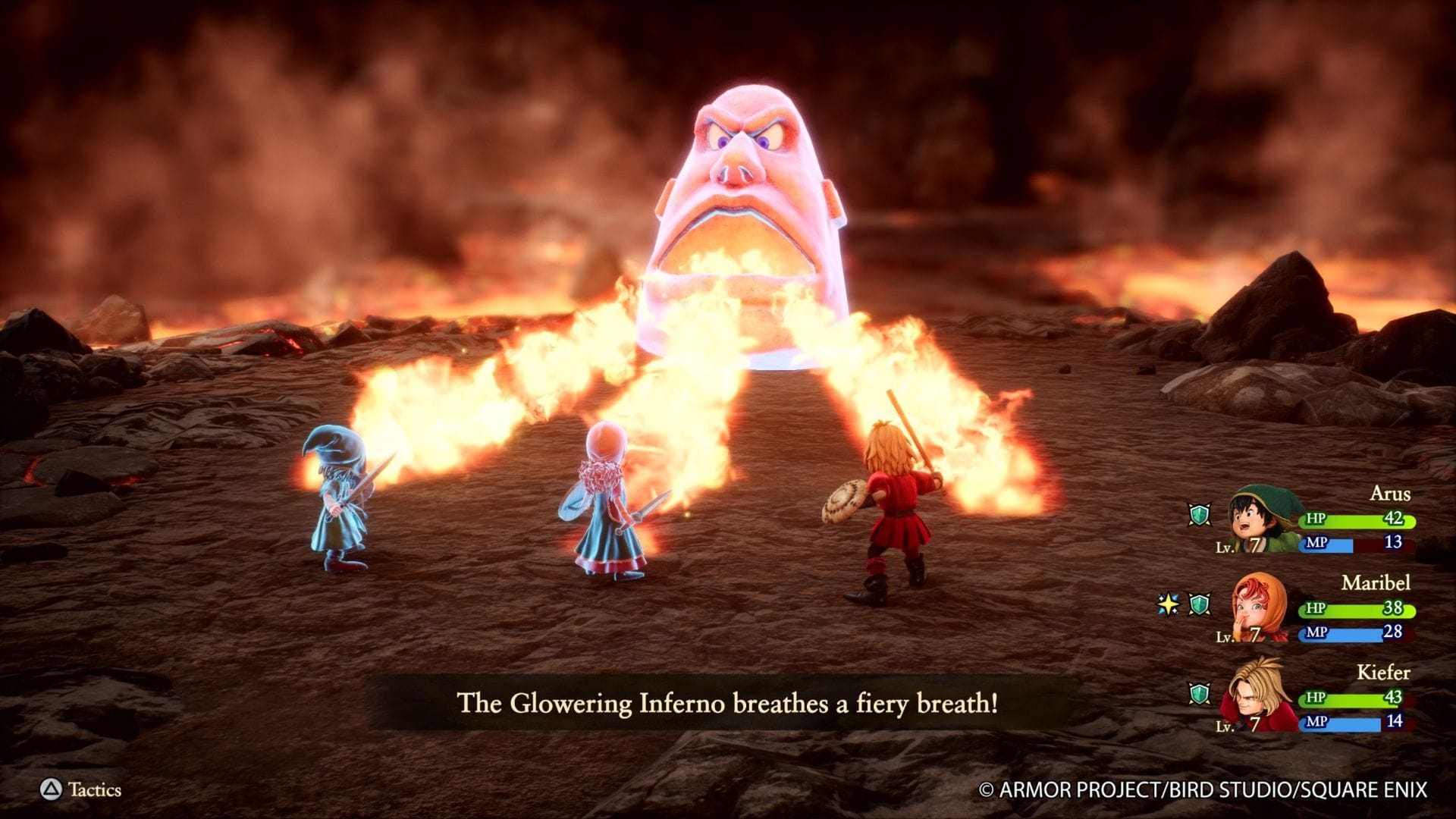
Takeshi Ichikawa: One of the main reasons we wanted to implement the Moonlighting feature was to address an issue we had with the previous releases (3DS and PlayStation). So as you know, the way it worked was there was a specific Vocation proficiency level attached to each and every Vocation. So once you max those out, the player gets to change their Vocation and achieve a higher rank Vocation.
The way it worked in previous versions was when you max out a Vocation and change it to a higher rank Vocation, your proficiency goes back down from the max level down to 1. That negatively impacted the character’s attributes, and that didn’t really work well for players.
The reason we wanted to implement the Moonlighting system was to address that specific issue we had in the previous releases. Now players get to equip two Vocations at once, and that issue with lower attributes/stats won’t be an issue anymore.
In addition, being able to equip two Vocations at once gives more flexibility and freedom for players to try all the different combinations and unique Vocations that we have. It’s kind of a “killing two birds with one stone” decision. It made that system smoother and a lot more fun.
We also made some adjustments to gameplay balance in battle as well, so we didn’t only just rework the vocation system. The balance in combat is adjusted as well, with the assumption that the players will utilize the Moonlighting system. So in terms of the difficulty, it’s still going to be challenging. It won’t be too easy for players, and should still be fun for them.
Q. We’re in a sort of Dragon Quest Renaissance right now, too! We’ve had a new Dragon Quest Monsters, III HD-2D Remake, and the I & II HD-2D Remake will be out by the time this interview goes live as well. In Dragon Quest III HD-2D Remake, there was a big lore reveal in the ending that wasn’t in the original game. In Dragon Quest VII Reimagined, there’s going to be the Hero & Maribel storyline. Is that being designed in that same style, as a new, added storyline to give more context and flesh out the characters?
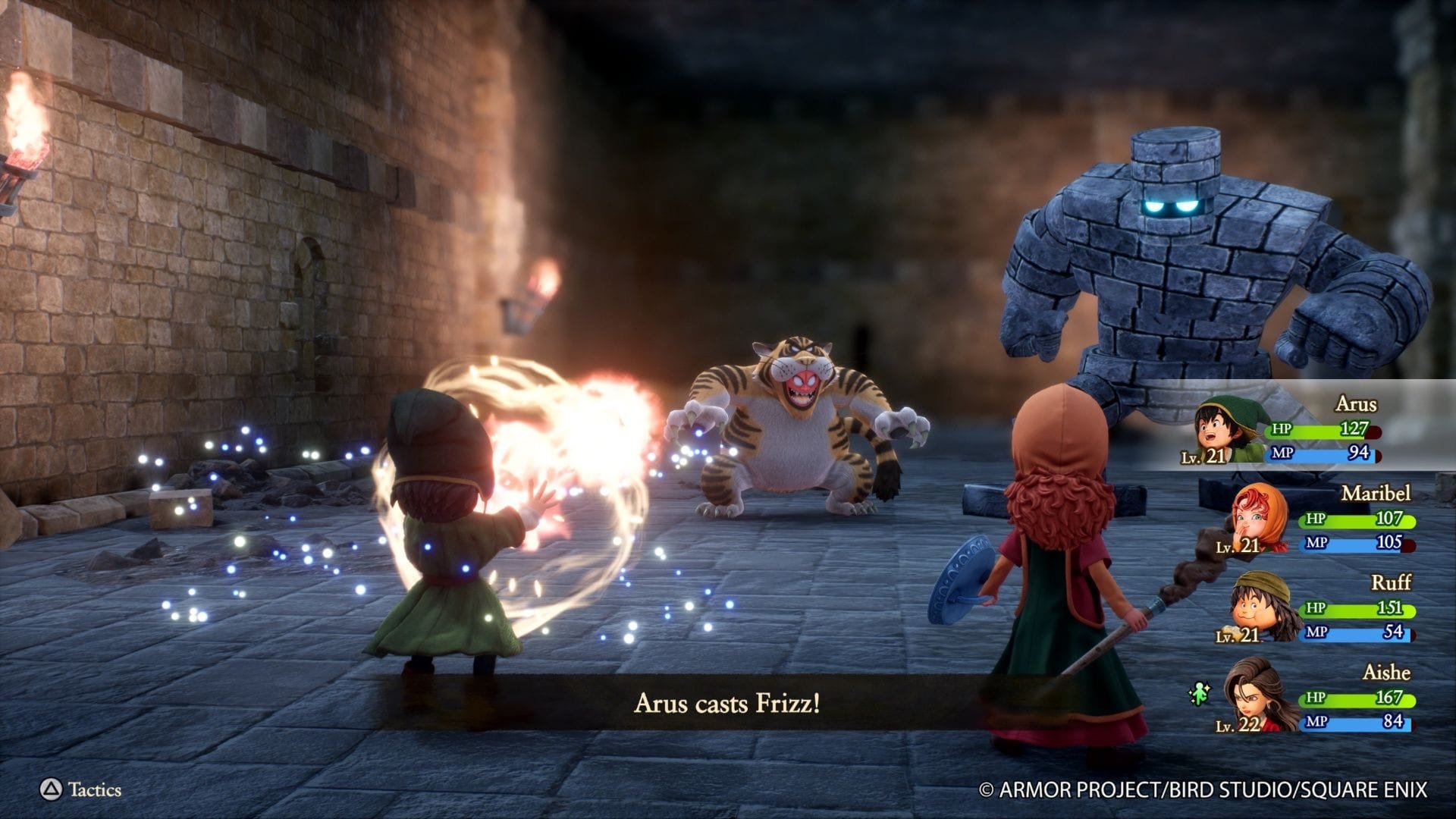
Takeshi Ichikawa: I think I lightly touched upon this earlier but in addition to adjustments to the storyline, removing some content and making some of it optional, we’re also introducing completely new stories as well. What those storylines will depict are a more in-depth look at our party members, and some of them are going to be pretty big stories. So I think it’s going to deliver a really fresh story experience for players, even those that have experienced Dragon Quest VII before.
This was kind of a spoiler by Horii-san at the TGS stage. [Laughs] There will be a new episode that explores the relationship between the protagonist and Maribel.
Jason Parker: It immediately makes me think of Dragon Quest XI, where everyone had a really important storyline connected to them, that fleshed them out more, and gave them a chance to shine.
Q. Why was Dragon Quest VII picked for a remake, as opposed to one of the other games that are arguably a bit more beloved, like VIII, IX, or even perhaps V?
Takeshi Ichikawa: Dragon Quest VII has a lot of really unique characteristics that’s not really shared with the other mainline installments, so we believe these are unique aesthetics of the world of Dragon Quest VII.
And to be a bit more specific, the adversities that the characters face, it’s darker than the stories in the Dragon Quest saga. As it’s been 25 years since the original release, now is the right time to deliver this to our audience, and we think it will resonate with them.
Q. Last, but certainly not least: What is your favorite Dragon Quest game, and why?
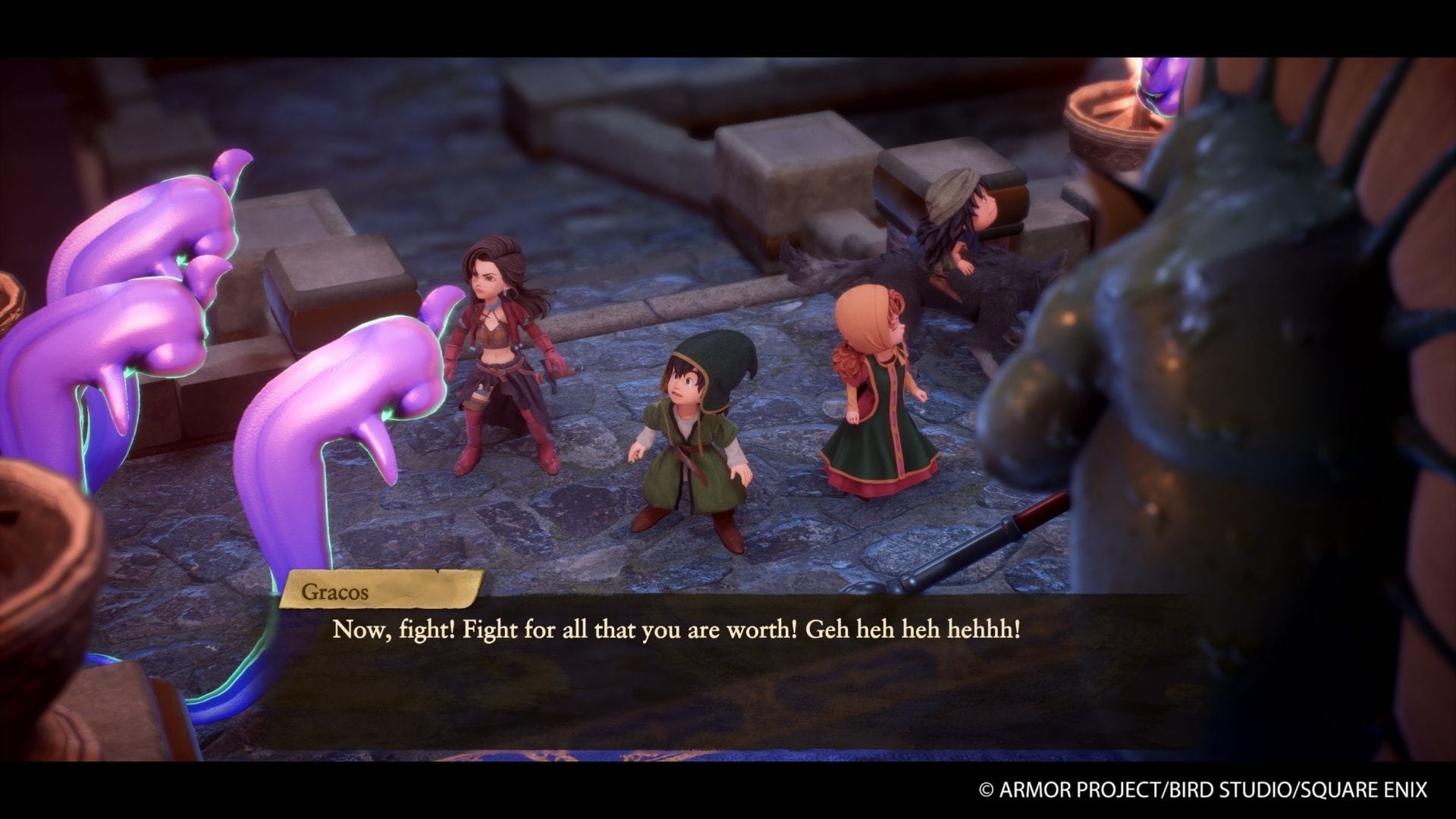
Takeshi Ichikawa: You know, obviously, I’ve gotta go with [Dragon Quest] VII [Laughs]. I have some history with the title, and I’m working on the Reimagined version, but if I were to pick something else, I would say Dragon Quest Builders 2. It’s personally important for me, as it’s the very first title I ever worked on as a developer, so definitely these two titles.
Dragon Quest VII Reimagined releases on February 5, 2026, on PlayStation 5, Xbox Series X}S, PC, Nintendo Switch, and Nintendo Switch 2. It’s going to be a massive game, and after being hands-on with it, I really think long-time fans and newcomers alike are going to adore it.

Are you stuck on today's Wordle? Our Wordle Solver will help you find the answer.


